Behavioral Archetype
THE ONE WHO MADE THE CALL – Subject spent the early 2000s as “the homeless hacker,” a nomad who broke into blue-chip corporate networks from Kinko’s terminals and public libraries, then told the companies exactly how he did it. His reach was real: The New York Times, Microsoft, Yahoo, WorldCom, and others, mostly through misconfigured proxies rather than elegant exploits. He was that rarest of intruders – the one who wanted to be caught explaining. Then, in 2010, a young Army analyst confided in him over instant message, and Lamo made a different kind of call. He reported Chelsea Manning to the U.S. Army and the FBI. The intrusions made him famous. The phone call made him one of the most divisive figures in the history of the craft – and it is why the Fires series numbers him among its honored dead, controversy and all, rather than in spite of it.
Essence Indicators
- Broke into The New York Times’ internal network in February 2002 through an open proxy; while inside, added his own name to the paper’s internal database of expert sources and used its LexisNexis account to research high-profile subjects – the signature Lamo move, equal parts intrusion and self-insertion.
- Compromised networks at Microsoft, Yahoo, and WorldCom, typically reporting the holes to the victims afterward – a self-styled disclosure ethic that the law did not recognize as a defense.
- Surrendered to a 15-month FBI investigation in September 2003; pleaded guilty in January 2004 to one felony count of computer crimes against Microsoft, LexisNexis, and The New York Times. Sentenced to two years' probation, six months’ home detention, and $65,000 in restitution.
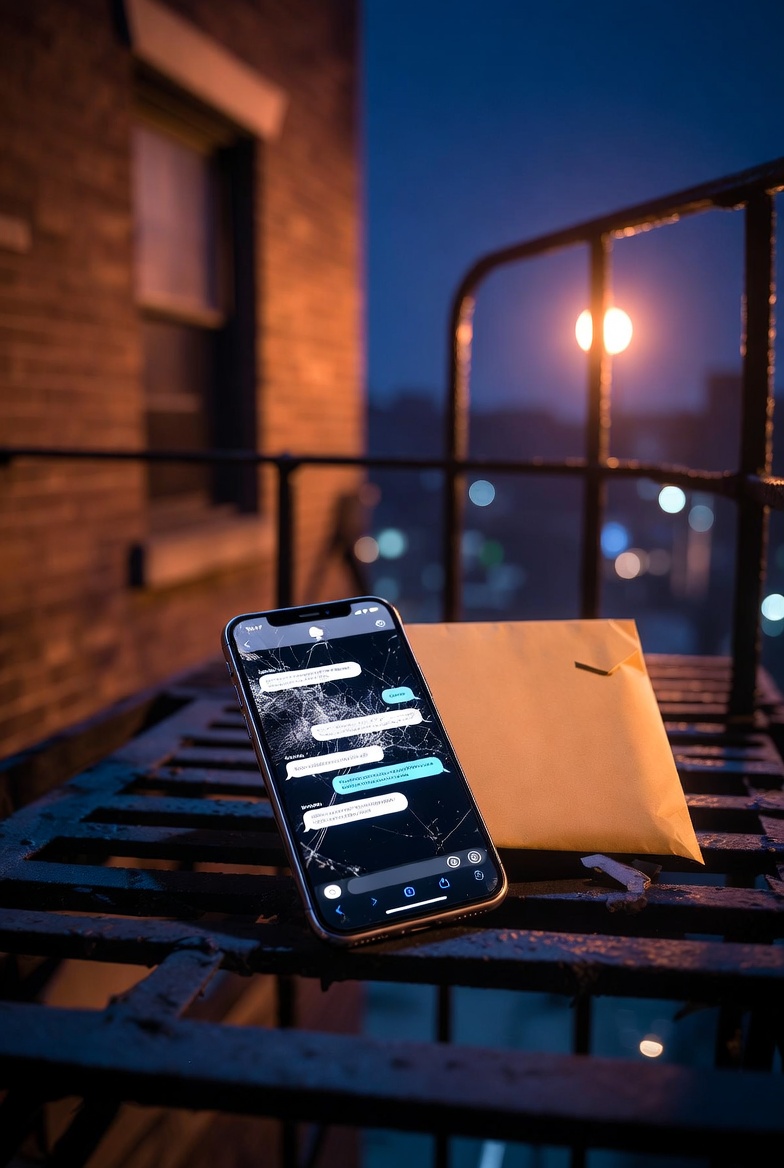
- In May 2010, exchanged instant messages with Army intelligence analyst Chelsea Manning, who described leaking a classified Baghdad airstrike video and roughly 260,000 diplomatic cables to WikiLeaks. Lamo reported the disclosures to the Army and the FBI, and the chat logs became central evidence in Manning’s prosecution.
- The reporting split the community permanently. Fellow hackers called him a snitch and an informant; supporters framed the same act as a conscience call about lives versus secrets. The division is theirs, not this file’s, and it never closed.
- Defended the choice on camera in 2011, and the account is more conflicted than the “snitch” caricature allows. He framed it as tragic arithmetic – “there was no right decision. There were simply choices that were between greater and lesser harm. I had to go with the one that resulted in the lesser harm, but still resulted in harm.” – while claiming genuine anguish: “he is on my mind every day. I remember what it was to be that young and that idealistic.”
- But he also hardened as the case developed: he initially believed Manning “would [not] do more than six months” and that leniency was likely, then, given “the scope of his disclosures,” said “a more serious custodial sentence is warranted” – and declined to concede the leaks harmed no one (comparing it to attributing a death to smoking).
- His defense against the betrayal charge rests on the confidentiality dispute: he says he offered Manning both journalistic-source and clergy protection and Manning affirmatively declined – “at one point he said to me, ‘I am not your source.’” And his stated principle: “federal law is not a fantastic vehicle for the release of truth,” but that does not justify “indiscriminate data dumps without first reviewing what’s being put out there.” The informant who, like Sabu, explained the choice on camera rather than hiding it (interview below)
On Camera
Democracy Now! (official). Lamo defends turning Chelsea Manning in to the FBI, in his own words – the “greater and lesser harm” calculus, the belief that the sentence would be light. Embedded as a primary source for the choice the community never forgave: the reader weighs his stated reasoning directly. Pair with Sabu’s account – two informants of the same era, each explaining the flip on camera rather than hiding it.
Social Persona / Impression Management
Social Persona / Impression Management
Immediate impression: Articulate, restless, self-narrating. Lamo talked to journalists the way other hackers avoided them – fluently, at length, and always with an eye on the framing. The “homeless hacker” label was partly the press’s and partly his own: he genuinely lived out of a backpack, and he genuinely understood what the image did for the story.
Energy: Confessional. Where a Sabu performed defiance and an Aaron Swartz published a manifesto under his own name, Lamo performed candor – the intruder who always wanted to explain himself, to the victim, to the reporter, and eventually to the government.
Impression management strategy: MORAL SELF-FRAMING. Lamo did not hide the Manning report; he explained it, repeatedly, as a decision that weighed the risk to lives against loyalty to a confider. To supporters this read as conscience. To the community it read as a man narrating his own betrayal in real time and expecting credit for the narration. Both audiences were reacting to the same performance.
Forensic Archetype Comparison
| Pattern | Match Level | Evidence |
|---|---|---|
| The Disclosure Provocateur | HIGH | Broke in, then told the victim how – treating intrusion as a public service the victim had not requested. |
| The Volunteer Informant | EXTREME | Unlike a coerced cooperator, Lamo initiated contact with the authorities himself. There was no plea leverage, no 124-year threat. He made the call. |
| The Self-Inserter | HIGH | Literally added himself to the NYT source database. The recurring tell: the intrusion always left a version of Lamo inside the story. |
| The Tragic Divisive | HIGH | Revered and reviled by the same profession, in roughly equal measure, for a single act – a division that outlived him. |
Psychometric Assessment
Big Five (OCEAN):
| Trait | Score | Evidence |
|---|---|---|
| Openness | 80/100 | Curious, improvisational, drawn to systems and to the stories he could tell about them. The intrusions were exploratory as much as technical. |
| Conscientiousness | 35/100 | Low. A nomadic, unstructured life; disclosures made on impulse; a self-directed ethic that repeatedly collided with the law. |
| Extraversion | 70/100 | High. Sought out journalists and audiences; the persona was built to be interviewed and quoted. |
| Agreeableness | 40/100 | Mixed. Presented as helpful and confiding, yet the defining act was the betrayal of a confider’s trust to the state. |
| Neuroticism | 70/100 | High. Documented psychiatric history, later including a reported Asperger’s diagnosis; a visibly turbulent inner life across the public record. |
Dark Triad:
| Trait | Score | Notes |
|---|---|---|
| Narcissism | 65/100 | Elevated. The self-insertion, the constant self-narration, the instinct to be inside every story he touched. |
| Machiavellianism | 40/100 | Moderate. Read situations for leverage, but the Manning report was too costly to his own standing to read as pure calculation. |
| Psychopathy | 35/100 | Moderate-low. The betrayal was real; so, by every account including his own, was the anguish that followed it. Detachment is not the diagnosis the record supports. |
MBTI: INFJ (“The Advocate”) – dominant introverted intuition, auxiliary extraverted feeling. The type that acts on a private moral certainty and is genuinely surprised when others read the same act as self-service or betrayal. Lamo’s tragedy is the INFJ failure mode: certain he had weighed the stakes correctly, and unable to see why the people he came from would never weigh them the same way.
Why This Profile Matters
The Fires series names its dead in the dedication, and Lamo is among them – not as a clean martyr like Aaron Swartz, but as a figure the community itself cannot agree on. That disagreement is exactly why he belongs. A tribute that only honored the uncomplicated dead would be a lie about what the culture actually was. Lamo forces the harder question the books keep returning to: what do you owe the person who confides in you, and what do you owe everyone else? He answered it one way. Much of his profession answered it the other way and never forgave him. This file does not adjudicate between them. It records that a man with a real gift and a real conscience made a call that cost him his standing, carried it for eight more years, and died young and alone in a Kansas apartment with the argument still unsettled. The informant question is left open here on purpose, because it was open when he died and it is open still.
Threat Assessment
| Category | Level | Notes |
|---|---|---|
| Physical threat | NONE | Never a physical operator. |
| Institutional threat | MODERATE (historical) | The early intrusions reached major corporate and media networks, but were low-sophistication and self-reported; the lasting institutional consequence flowed the other way – his report to the state, not his attacks on it. |
| Memetic threat | HIGH | “The hacker who turned in Manning” became shorthand for the informant question itself, echoing the Sabu pattern and hardening the community’s structural distrust of its own. |
| Posthumous threat | ONGOING | The undetermined death, the unresolved moral verdict, and the chat logs keep the debate alive; the story still detonates on mention. |
Flame Warrior Classification
Primary: Grenade (name Lamo in any hacker room and the argument goes off) Secondary: Confessor (the intruder who always had to explain himself) Notes: ATK 7 – genuine reach across NYT, Microsoft, Yahoo, and WorldCom, plus a persona that commanded press attention far beyond the technical merit of the exploits. DEF 3 – almost no protection: he surrendered to the FBI, pleaded guilty, and then spent the rest of his life as the most publicly identified informant in the field, defended by few and shielded by nothing. HP 4 – he survived prosecution and eight years of near-total community exile, but the standing never recovered and the man did not last; he was dead at 37, cause undetermined per the Sedgwick County coroner, the argument over what he did outliving the person who did it.
Sources: Adrian Lamo – Wikipedia; Krebs on Security, “Adrian Lamo, ‘Homeless Hacker’ Who Turned in Chelsea Manning, Dead at 37” (2018); Kevin Poulsen & Kim Zetter, “Manning-Lamo Chat Logs Revealed,” WIRED (2011); Business Insider / Yahoo Finance, “Hacker Adrian Lamo’s cause of death remains a mystery” (2018); Democracy Now! — Adrian Lamo defends turning in Manning (video); Democracy Now! transcript, 19 Dec. 2011: “I had to go with the one that resulted in the lesser harm, but still resulted in harm”; “at one point he said to me, ‘I am not your source.’”.
Cross-Referenced Dossiers

Prefer RSS? Subscribe here.