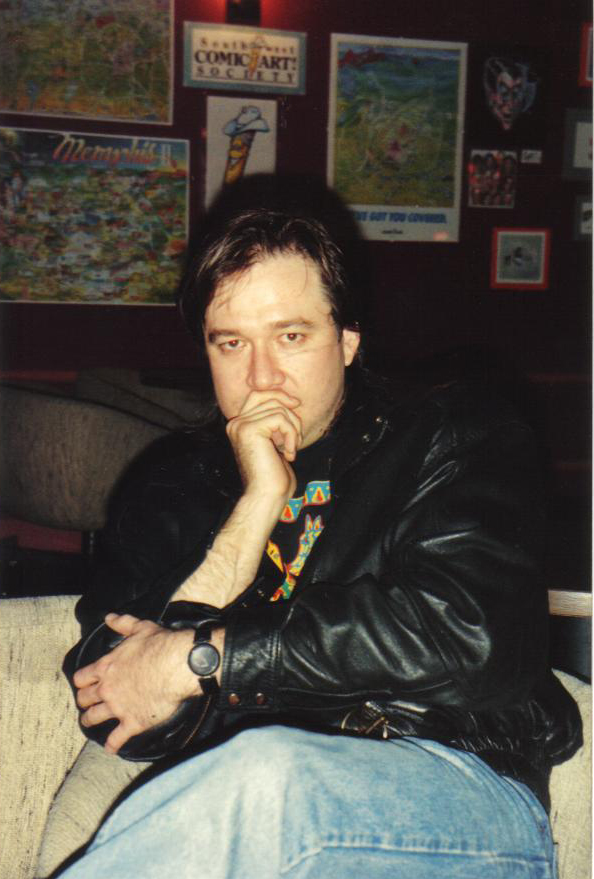
Behavioral Archetype
THE PHILOSOPHER-PREACHER — Subject delivered the structure of a Socratic dialogue from a comedy stage: posed questions that registered as jokes, let the audience laugh, and used the laugh as the moment of concession before they understood what they had agreed to. Distinguished from Lenny Bruce (who attacked the vocabulary the law forbade) and George Carlin (who litigated the prohibition itself) by attacking the premises — the unexamined assumptions of consumer culture, organized religion, the drug war, and American foreign policy. The bit was the interrogation. The laugh was the verdict against the audience’s own way of life.
Essence Indicators
- Uses comedy as anesthetic for surgery — the routine builds as entertainment and lands as indictment, by which point the audience has already laughed and cannot retract the agreement
- Operates the Socratic method without the dialogue: asks the seemingly funny question, supplies the furious answer, and follows the logic to the conclusion that the listener’s life is insane
- Targets the structure rather than the word — consumerism, the first Gulf War, the pro-life movement, advertising — making the offense conceptual and therefore harder to prosecute and easier to censor
- Demonstrates the foreign-audience inversion: rejected in the country he was diagnosing (America), worshipped in the one that could watch the diagnosis without feeling personally accused (Britain)
- Runs on a compressed martyrdom timeline — banned, dead at 32, vindicated by the same institution fifteen years later, on the record, with an apology
- Behind the outrage-comedian caricature, his stated worldview is almost gentle: the “It’s Just a Ride” close reframes reality as a ride “we can change any time we want… a choice, right now, between fear and love.” The provocation was the delivery; the actual view is the one under it, in his own words (clips below)
On Camera
“It’s Just a Ride” (official Bill Hicks channel) – the closing bit that is less a joke than a creed. Embedded as a primary source for the view underneath the outrage act: the world as a ride you can change, “a choice between fear and love.” The reader can weigh the actual philosophy against the reputation.
“Relentless” (Comedy Dynamics, the licensed rights-holder) – thirty minutes of the working act, including the marketing/advertising material where the anti-manipulation argument runs hottest (explicit throughout, by design). Included for the register the “Ride” bit does not show: the indictment before the benediction.
Social Persona / Impression Management
Immediate impression: A Southern Baptist tent-revival cadence pointed at the things the revival defends. Subject did not present as a jokester; he presented as a preacher who had concluded the congregation was the problem. The fury was real and the comedy was the delivery system that made the fury survivable in a club.
Energy: Escalating, sermonic, relentless. Subject built long routines that opened as observation and closed as cosmology — the “just a ride” monologue is a comedy bit that resolves into a metaphysics. By the final year the energy was performed through visible pain; he kept working through the fall of 1993 with a cancer he already knew was terminal.
Impression management strategy: SELF-AS-PROPHET. Where Franklin deployed personas to manage impressions, Hicks collapsed the persona into a single furious sincerity and dared the room to mistake it for an act. The strategy was to be so obviously right and so obviously serious that laughter became the only available defense — and laughter, once given, was an admission. He closed Revelations by comparing himself to the Christ figure of The Last Temptation, which is either the most arrogant or the most honest thing a comedian has put on tape.
Forensic Archetype Comparison
| Pattern | Match Level | Evidence |
|---|---|---|
| The Provocateur | EXTREME | Subject built routines designed to corner the audience into conceding that their culture was insane, on subjects (the Gulf War, the pro-life movement, religion) chosen for maximum institutional friction. The censored Letterman set was the predictable result. |
| The Crusader | HIGH | The work served conviction, not shock. Subject genuinely believed consumer culture, the drug war, and organized religion were doing measurable harm, and the comedy was the vehicle for an argument he meant. |
| The Martyr Operator | HIGH | Banned from Letterman, almost unknown in America, dead at 32 — the trajectory of a man rejected by the culture he was trying to diagnose. The vindication arrived only after he was safely dead. |
| The Pathological Liar | LOW | Subject deceived no one. The observations were stated as plainly true and meant as true. The provocation was the accuracy, not any falsehood. |
Psychometric Assessment
Big Five (OCEAN):
| Trait | Score | Evidence |
|---|---|---|
| Openness | 90/100 | Subject treated consciousness, religion, drugs, war, and consumer culture as one continuous field for interrogation, and built routines (the “just a ride” cosmology, the psychedelics-as-evolution material) that no other working comedian was attempting. |
| Conscientiousness | 55/100 | Moderate. Disciplined about the construction of long-form routines and a sustained body of work across two major specials in two years, but the early career ran through heavy drinking and drug use before he got sober in the late 1980s. |
| Extraversion | 78/100 | Operated through live performance and required a room. The act was a sermon that needed a congregation to push against. |
| Agreeableness | 28/100 | Low. Subject told audiences their way of life was insane and showed no interest in softening it; the on-record fury at advertising and at American complacency was the point, not a bug. |
| Neuroticism | 62/100 | Moderate-high. The work carries genuine rage and despair about the culture, and the final year compounded it with terminal illness and the Letterman censorship he took as a personal betrayal. |
Dark Triad:
| Trait | Score | Notes |
|---|---|---|
| Narcissism | 52/100 | Moderate. Subject believed in his own importance — the Christ comparison is not modest — but the belief was yoked to a mission rather than to adoration. He wanted to be right about the culture more than he wanted to be liked by it. |
| Machiavellianism | 30/100 | Low. Subject was a tactician of the routine but no strategist of the career; he antagonized the exact gatekeepers (advertisers, network producers) who could have made him famous in America, because the antagonism was the work. |
| Psychopathy | 20/100 | Low. The material is saturated with moral seriousness — about war, about hypocrisy, about what a culture chooses to value. The provocation served conviction, not predation. |
MBTI: ENFP (“The Campaigner”) — Dominant extraverted intuition firing off the associative leaps that turn a joke into a cosmology, auxiliary introverted feeling supplying the moral conviction that made the comedy land as prophecy. Subject saw the unexamined premise in every respectable position and could not leave it un-interrogated. The feeling function is what elevated the rage above mere offense: each routine was a moral argument the audience had laughed itself into accepting before it noticed.
Why This Profile Matters
Hicks is the case that proves the Socratic method survives the move from the agora to the comedy club intact — and gets the same response. Socrates asked seemingly innocent questions until people had existential crises; Hicks asked seemingly funny ones until they had existential crises; both were neutralized by the institutions they embarrassed. The censored Letterman set is the modern form of the hemlock: the institution recognized the threat, pulled the segment, and could only admit it was wrong — on air, with an apology to his mother — once the troll was safely fifteen years dead. He is the entry that demonstrates the turnaround time on troll-vindication is improving: Socrates waited two millennia for rehabilitation, Bruce waited thirty-seven years for his pardon, Hicks waited fifteen for his set. The establishment still only concedes the troll was right after the troll can no longer enjoy it.
Threat Assessment
| Category | Level | Notes |
|---|---|---|
| Physical threat | NONE | A man with a microphone and a terminal diagnosis. |
| Institutional threat | HIGH | Forced a network to choose between its advertisers and its stated values on the record. The censored set became the canonical example of broadcast self-censorship and is still cited as the case that exposed the gap between what TV says it permits and what it actually airs. |
| Memetic threat | HIGH | “It’s just a ride” and “the comedian as philosopher” outlived the man by decades. The censorship story — banned, dead, vindicated — became a template for how the culture mistreats and then sanctifies its sharpest critics. |
| Posthumous threat | RESOLVED IN HIS FAVOR | Set aired in full on January 30, 2009, Letterman taking personal responsibility on air (“It says more about me as a guy than it says about Bill”) with Hicks’s mother present. As with Bruce and Wilde: censor the troll, then apologize to his mother on camera fifteen years later. |
Flame Warrior Classification
Primary: Crusader / Philosopher Secondary: Target (Hicks became the designated unbroadcastable comedian — the body the network used to demonstrate the limits of its own tolerance, until the demonstration curdled into a public apology) Notes: The Crusader and Target classifications fuse here the way they do for Bruce. Most crusaders avoid becoming the cautionary example; Hicks walked straight into it because the material required subjects (the Gulf War, the pro-life movement, religion) that guaranteed the friction. He is the Socratic descendant of Diogenes and the direct ancestor of the “just asking questions” school of cultural criticism — but where the imitators ask questions to evade accountability, Hicks asked them to assign it. ATK 10, DEF 2, HP 3. The ATK is the precision of the method — he engineered the laugh as the moment of concession, which is the most efficient delivery system for an indictment yet built. DEF is near-zero: no instinct for the gatekeepers, no American audience, and a cancer that finished the job the network started. HP 3 reflects a career and a life cut to thirty-two years, almost unknown at home, worshipped abroad. The posthumous vindication is, as with Bruce, a separate metric the living man never got to collect.
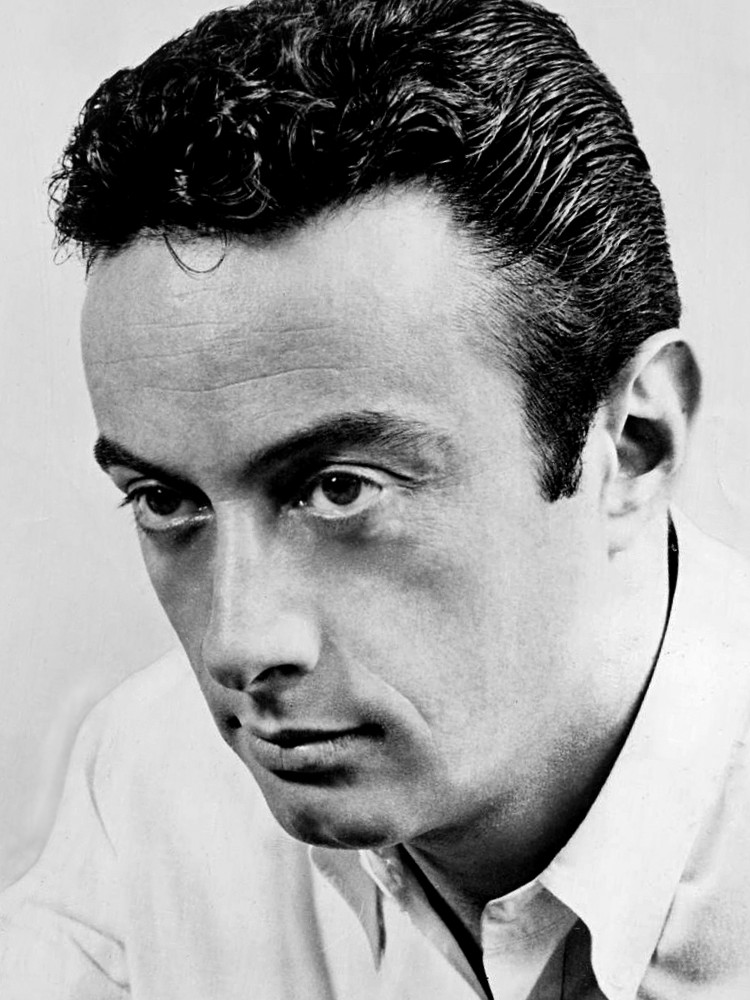
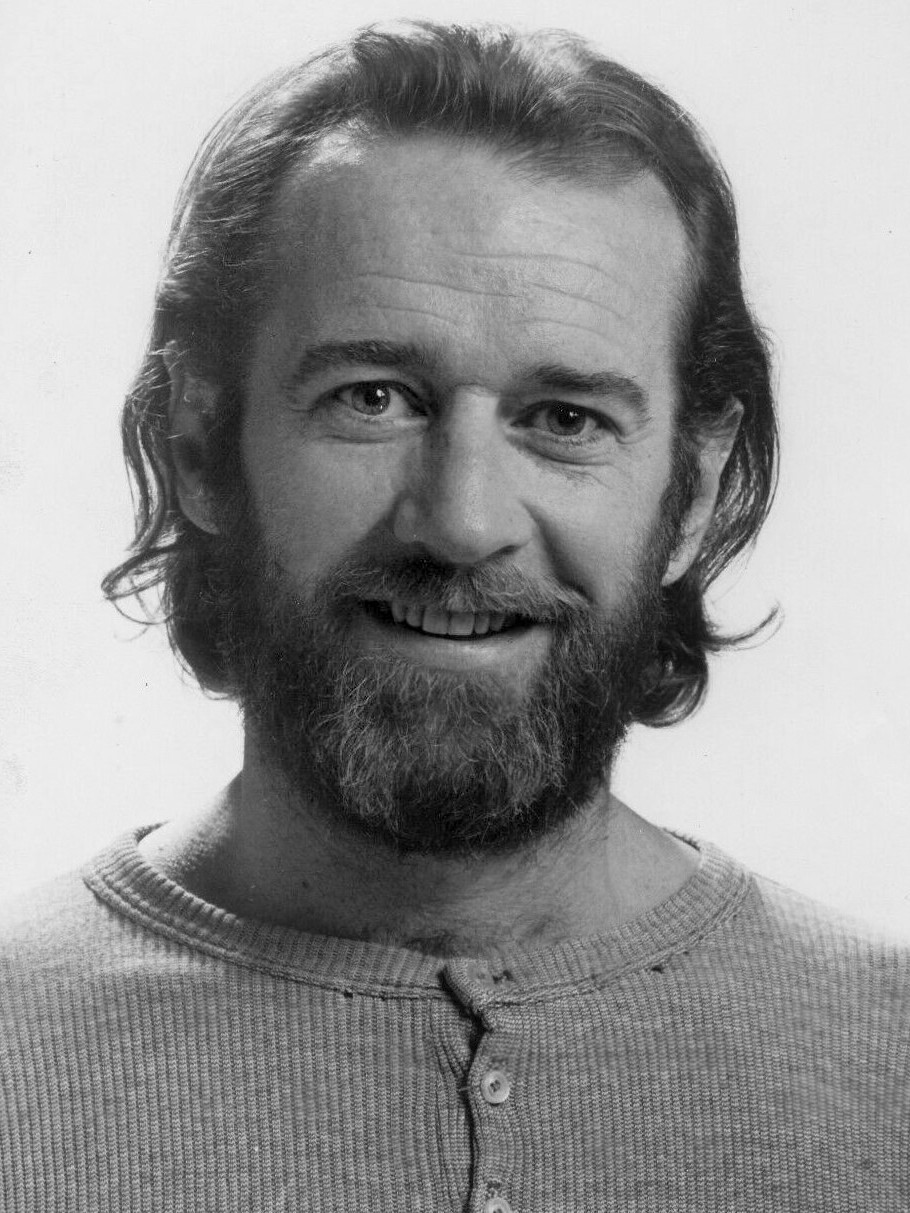
See also: Lenny Bruce (the comedian arrested for the words where Hicks was censored for the premises) and George Carlin (who took the prohibition itself to the Supreme Court while Hicks took the audience to the edge of the ride).
Sources: Bill Hicks — Wikipedia; Bill Hicks | Biography, Death, & Facts — Britannica; John Lahr, “The Goat Boy Rises,” The New Yorker, November 1, 1993; Remembering Letterman’s famous “lost” Bill Hicks stand-up set — Salon; Bill Hicks (official) — “It’s Just a Ride” (video); Comedy Dynamics — “Bill Hicks: Relentless” (video).
Cross-Referenced Dossiers
Prefer RSS? Subscribe here.