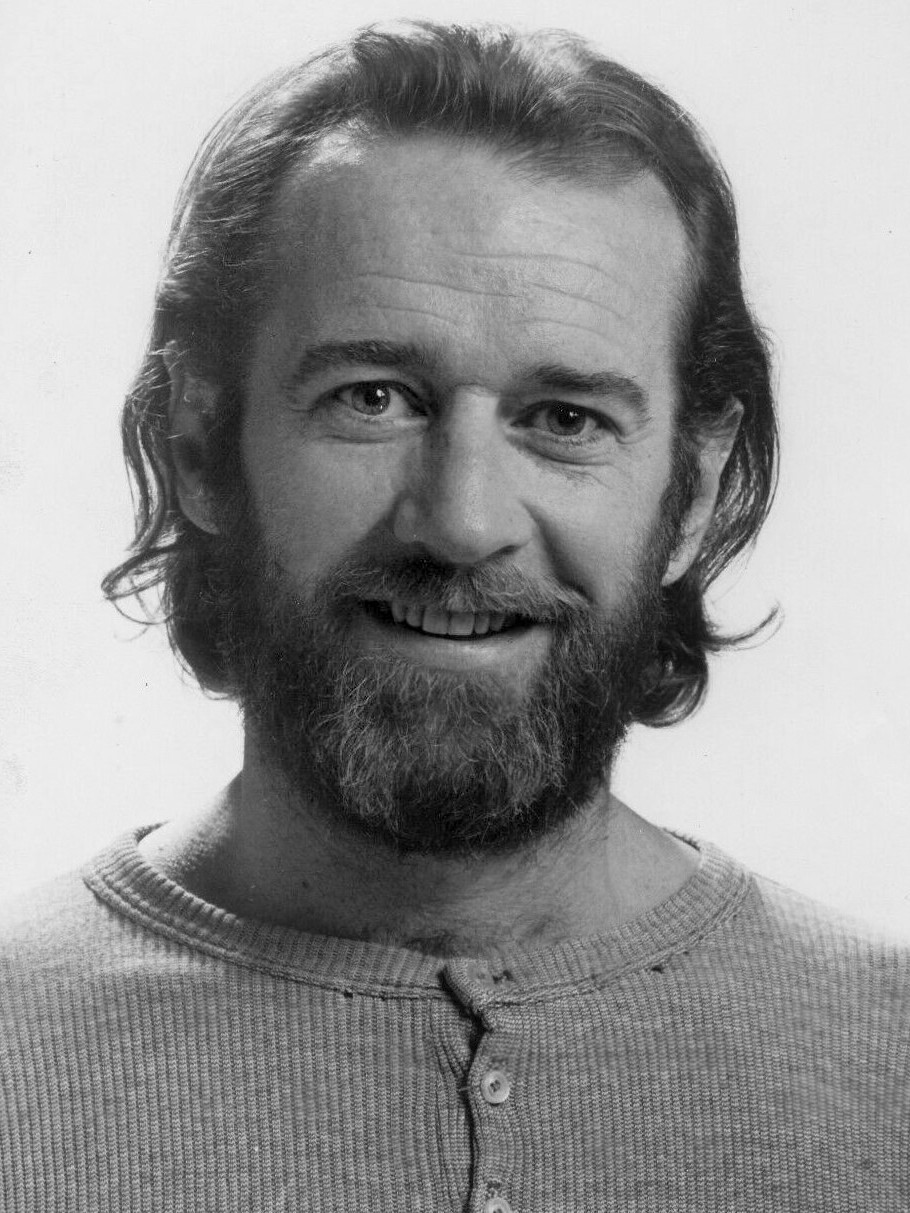
Behavioral Archetype
THE CONSTITUTIONAL TEST CASE — Subject identified the seven words a broadcast regulator forbids, recited them on stage with a structural argument attached, and forced the dispute to climb the entire appellate ladder to the Supreme Court, where the words became binding indecency law. Distinguished from Lenny Bruce — the obscenity-trial predecessor Carlin watched get arrested and explicitly cited — by surviving the prosecution and weaponizing the survival. Bruce was destroyed by the courts; Carlin used the courts as an amplifier and outlived the verdict by thirty years, getting harder the whole way. Where Bruce was the martyr, Carlin was the institution that the martyrdom produced.
Essence Indicators
- Treats the list of forbidden words as the object of analysis, not the payload — the seven-minute routine is a deconstruction of why the taboo exists, with the words as exhibits (“There are no bad words. Bad thoughts. Bad intentions. And words.”)
- Demonstrates escalation across decades: a 1972 arrest at Summerfest in Milwaukee, a 1973 broadcast complaint, a 1978 Supreme Court loss — and then a second-act radicalization rather than a retreat (TMJ4, 2022)
- Converts a comedy album track into appellate precedent — “Filthy Words,” the Occupation: Foole sequel to the Class Clown cut “Seven Words You Can Never Say on Television,” is now the factual nucleus of a case taught in every First Amendment course
- Operates on a delayed-detonation timeline familiar from Bruce: the routine that lost in court became more culturally load-bearing than the ruling that beat it, and is quoted more often than the opinion
- Sharpened rather than mellowed — the late HBO specials (You Are All Diseased, Life Is Worth Losing, It’s Bad for Ya, recorded months before death) escalated the civic trolling into open contempt for the audience’s complacency
- The filmed performance survives on his own official channel — the extended seven-words routine from Again! (1978), the words handled as specimens under analysis rather than shouted for shock. The primary source for the bit that, in its earlier recorded forms, climbed to the Supreme Court (performance below)
On Camera
The extended “Seven Words” routine from the 1978 HBO special “Again!”, on the Official George Carlin channel. Embedded as a primary source (explicit language throughout, by design): a filmed performance of the material whose broadcast produced FCC v. Pacifica. The routine is not a stunt but a deconstruction – the forbidden words held up as exhibits while Carlin dismantles the logic of the taboo. This is the ch9 argument in its purest comedic form: the words are just words; the machinery that forbids them is the subject.
Social Persona / Impression Management
Immediate impression: A linguist who happens to be furious. Subject presented not as a vulgarian but as a precision instrument pointed at the machinery of permission — the man who decides which words you may say, and on whose authority. The profanity is the demonstration; the target is the rule.
Energy: Controlled, escalating, lexically obsessive. Subject built routines around the internal logic of English — euphemism, the passive voice, the soft language institutions use to launder reality. The anger was real and the delivery was disciplined, which is the combination that made the late material land as argument rather than rant.
Impression management strategy: SELF-AS-PRECEDENT. Where Franklin deployed personas to manage how he was read, Carlin made himself a fixed point the law had to rule on. The strategy was to be so precisely, knowingly unacceptable in a regulated medium that the regulator would have to litigate the boundary itself — and then to keep performing on the far side of the line the ruling drew, for thirty more years, as a standing rebuke to it.
Forensic Archetype Comparison
| Pattern | Match Level | Evidence |
|---|---|---|
| The Provocateur | EXTREME | Subject built a signature routine around naming the exact words a regulator prohibits, performed it in a regulated medium, and produced a federal case. The provocation was specific, repeated, and documented. |
| The Crusader | HIGH | The bit carried a genuine argument — that the prohibition is arbitrary and revealing — pursued across a full career of material on language, power, religion, and the state. The conviction was real, not a pose. |
| The Compulsive Escalator | MODERATE-HIGH | Each decade’s material was angrier and less hedged than the last. Subject did not de-risk after the Supreme Court loss; he leaned harder into civic contempt. |
| The Pathological Liar | LOW | Subject deceived no one. The words were exactly the words; the argument was made in the open. The provocation was the truth of the vocabulary, not any falsehood about it. |
Psychometric Assessment
Big Five (OCEAN):
| Trait | Score | Evidence |
|---|---|---|
| Openness | 90/100 | Subject treated language itself as the open field — euphemism, taboo, grammar, the soft vocabulary of institutions — and built routines in forms (the analytic list, the seven-word deconstruction) nobody had used as comedy before. |
| Conscientiousness | 78/100 | High and rising. Distinguished from Bruce here: where Bruce’s career collapsed into chaos, Carlin sustained a five-decade output of meticulously written specials, the last recorded months before his death. The craft was relentless. |
| Extraversion | 72/100 | Operated through live performance and required a room, but the work was writerly and solitary in construction — the act of a craftsman who performs, not a performer who improvises. |
| Agreeableness | 22/100 | Low and falling. The late material is open contempt for the audience’s own complacency — “you have to be asleep to believe it.” Subject refused the flattery that mainstream comedy runs on. |
| Neuroticism | 48/100 | Moderate. Real anger and a documented contempt for institutions, but channeled into disciplined craft rather than the paranoia and self-destruction that finished Bruce. Subject managed his own intensity where his predecessor was consumed by it. |
Dark Triad:
| Trait | Score | Notes |
|---|---|---|
| Narcissism | 50/100 | Moderate. Subject needed the stage and believed in his own importance, but the late work is more interested in being right about the culture than in being adored by it. |
| Machiavellianism | 45/100 | Moderate. More principled than tactical — the provocation served the argument rather than a career calculation, and the post-Pacifica radicalization cost him mainstream comfort he could have kept. |
| Psychopathy | 18/100 | Low. The work is shot through with moral seriousness about hypocrisy, language, and power. The contempt was for systems, not people; the provocation served conviction, not predation. |
MBTI: ENTP (“The Debater”) — Dominant extraverted intuition firing off associative riffs about language and power, auxiliary introverted thinking imposing a ruthless internal logic on each bit. Subject saw the contradiction in every respectable rule about speech and could not leave it alone. The thinking function is what elevated the seven words above shock value: each forbidden word was deployed to expose the arbitrariness of the rule forbidding it. Same type as Bruce, run with more discipline and a far longer fuse.
Why This Profile Matters
Carlin is the case that proves the troll can win on appeal. Bruce found the forbidden words and the courts destroyed him for saying them; Carlin found the same vein, said the words into a regulated medium, lost the Supreme Court case — and turned the loss into a thirty-year second act and a permanent fixture of First Amendment law. FCC v. Pacifica Foundation (1978) is now taught everywhere, and the routine that triggered it is quoted more often than the 5–4 opinion that beat it. The establishment got its ruling; Carlin got the culture. He is the entry in this file who demonstrates that losing the case and winning the argument are not the same event, and that a comedian’s twelve-minute bit can become the factual nucleus of binding constitutional law without the comedian ever conceding the point.
Threat Assessment
| Category | Level | Notes |
|---|---|---|
| Physical threat | NONE | A man with a microphone and a word list. |
| Institutional threat | EXTREME | Forced the American legal system to define broadcast indecency on the record. Pacifica established the framework regulating what may be aired and when — the “seven dirty words” rule every broadcaster still works around. |
| Memetic threat | EXTREME | “The seven words you can never say on television” entered the language as a fixed phrase. The routine outlived the ruling, the medium, and the man; it is the rare bit that became both law and idiom. |
| Posthumous threat | ONGOING | The civic trolling of the late specials reads as more accurate with each passing year, not less. The precedent persists; so does the contempt for the complacency it was aimed at. The bit kept detonating after the troll stopped breathing. |
Flame Warrior Classification
Primary: Provocateur / Crusader Secondary: Veteran (the rare provocateur who survived the prosecution, absorbed the institutional counterattack, and kept escalating across five decades rather than burning out on schedule) Notes: Carlin is the inverse of Lenny Bruce’s fate from inside the same archetype. Bruce found the forbidden words first and the courts ended him; Carlin found them again a generation later, lost the higher-stakes case, and walked away with the precedent, the idiom, and thirty more years to use both. Where Andy Kaufman weaponized uncertainty about whether anything was real, Carlin weaponized the brute reality of seven specific words against a regulator that pretended they could be zoned out of the air. ATK 9, DEF 6, HP 9. The ATK is the precision — he found the exact words a broadcast regulator would have to litigate and recited them with the argument attached. DEF is high for this archetype: unlike Bruce, Carlin had the discipline, the finances, and the self-preservation to survive the legal machine and weaponize the survival. HP 9 reflects a full five-decade career that ended on his own terms, with the last special in the can, rather than a life cut short in a corner.
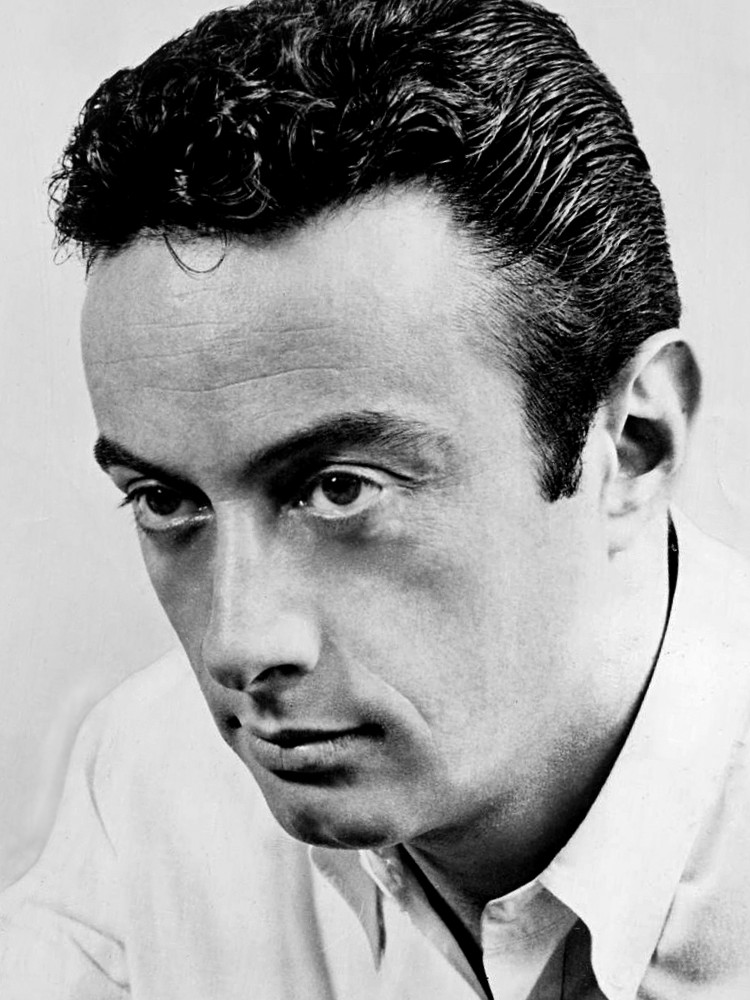
See also: Lenny Bruce (the obscenity-trial predecessor Carlin cited, destroyed by the courts where Carlin outlasted them) and Andy Kaufman (the performer who weaponized uncertainty where Carlin weaponized the certainty of seven specific words).
Sources: George Carlin — Wikipedia; FCC v. Pacifica Foundation, 438 U.S. 726 (1978) — Justia; FCC v. Pacifica Foundation — Oyez; FCC v. Pacifica Foundation — Wikipedia; Official George Carlin — “Seven Words Extended Version”, Again! 1978 (video); FCC v. Pacifica Foundation, 438 U.S. 726 — Cornell LII (“a 12-minute monologue entitled ‘Filthy Words’”).
Cross-Referenced Dossiers

Prefer RSS? Subscribe here.