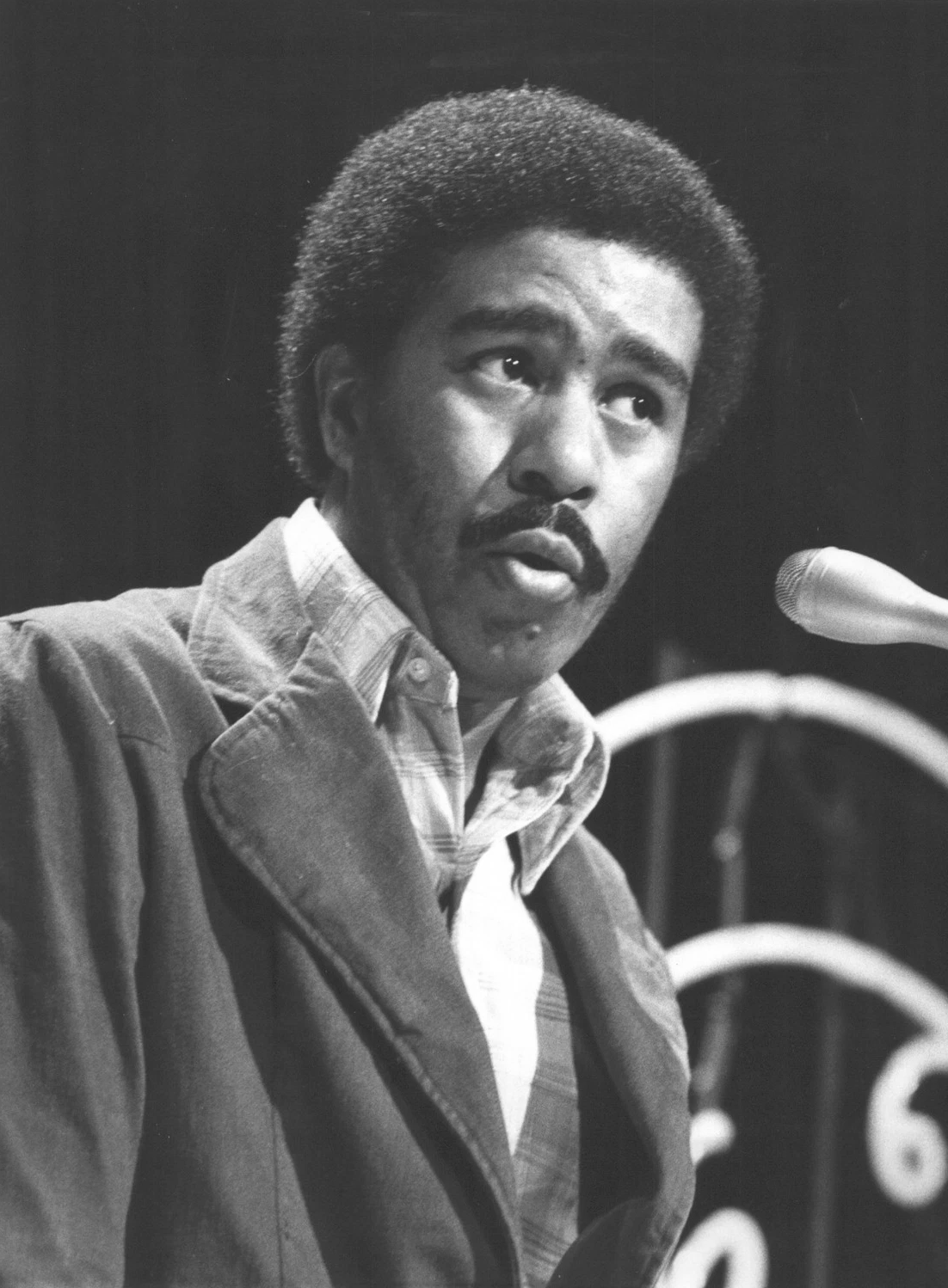
Behavioral Archetype
THE CONFESSIONAL ARSONIST — Subject discarded a successful, sanitized crossover act and rebuilt his comedy around the one thing an audience has no defense against: the unedited truth of his own life. Distinguished from Lenny Bruce — the taboo-language forebear Pryor admired, who said the forbidden words and was prosecuted for the vocabulary — by aiming the same transgressive instinct inward. Bruce weaponized the words a society forbids; Pryor weaponized the experiences a society does not discuss: the brothel he was raised in, the addiction, the marriages, the fear, the race material white audiences would never voice in their own homes. The provocation was not profanity. It was candor delivered at point-blank range, which leaves the listener no respectable distance to retreat to.
Essence Indicators
- Abandoned the Bill Cosby–style clean act at its commercial peak — walked offstage mid-set at the Aladdin in Las Vegas in 1967, by his own account asking what he was doing performing a sanitized version of himself for an audience that wanted the sanitized version
- Rebuilt the act in Berkeley around unsanitized autobiography: race, poverty, sex, addiction, and his own cowardice as material rather than as things to hide
- Treated his near-fatal 1980 freebasing accident — third-degree burns over the upper half of his body — as raw material, closing Live on the Sunset Strip with the bit two years later rather than soliciting sympathy for it
- Won five Grammy Awards for Best Comedy Recording across a decade (That Nigger’s Crazy, 1974; …Is It Something I Said?, 1975; Bicentennial Nigger, 1976; Rev. Du Rite, 1981; Live on the Sunset Strip, 1982) — the establishment decorating the man who refused to perform respectability
- Was named the first recipient of the Kennedy Center Mark Twain Prize for American Humor in 1998, the institutional canonization of an act built entirely on saying the unsayable
- The method is visible on tape: he opens the 1977 NBC special by wandering into the audience out of the frame the format wanted, then mines his own life – race, the police, addiction – for material no one else would say on network television. The truth-through-character technique the other comedian-provocateurs in this file (Carlin, Hicks, Bruce) are measured against, performed (special below)
On Camera
The 1977 NBC stand-up special, on the Official Richard Pryor channel (explicit throughout, by design). Embedded as a primary source for the method this file describes: the character work (Mudbone), the autobiographical truth-telling about race and addiction, and the refusal of the respectability the network wanted. The act that the Mark Twain Prize later canonized – weigh it directly.
Social Persona / Impression Management
Immediate impression: Not a vulgarian and not a confessor seeking absolution — a man who had stopped editing himself in public and dared the room to keep up. The physicality (the characters, the impressions of his own relatives, the famous routine performed as his own beating heart) made the honesty land as performance rather than as breakdown. The audience laughed at material it had no business finding funny, which was the point.
Energy: Kinetic, character-driven, emotionally exposed. Subject did not deliver jokes so much as inhabit the people and the moments — including the worst ones — until the room could not maintain the comfortable distance of spectator. The seventy-eight minutes of Live in Concert (1979) run without a break and without a safety net.
Impression management strategy: SELF-AS-EVIDENCE, pushed past where Bruce took it. Where Franklin deployed personas to manage how he was read, Pryor abolished the protective persona entirely and made his own biography the exhibit — the addiction, the fear, the near-death. The strategy was to be so completely honest that the audience’s illusions, and its pity, could not survive contact with him.
Forensic Archetype Comparison
| Pattern | Match Level | Evidence |
|---|---|---|
| The Provocateur | EXTREME | Subject built an act around saying aloud the experiences a society agrees not to discuss — race, addiction, his own self-immolation — and forcing a paying audience to laugh at them. The provocation was deliberate, repeated, and aimed at the listener’s comfort. |
| The Crusader | HIGH | The honesty carried a genuine argument: that the sanitized public self is a lie, and that the truth about American life — about race, poverty, and fear — is funnier and more bearable than the performance of respectability. The conviction was real, not a pose. |
| The Compulsive Escalator | HIGH | Each work cut closer to the bone than the last, culminating in turning a suicide-by-fire into a stage bit. Distinguished from Bruce: the escalation here was into his own life rather than into the courts, and it nearly killed him by other means. |
| The Pathological Liar | LOW | Subject deceived no one about the material. The one documented lie — that the fire was an exploding pipe “accident” — he retracted on stage, naming it as the cover story it was. The provocation was the truth of the experience, not a falsehood about it. |
Psychometric Assessment
Big Five (OCEAN):
| Trait | Score | Evidence |
|---|---|---|
| Openness | 93/100 | Subject treated his own life — childhood in a brothel, addiction, race, sex, mortality — as a single open field for material, in forms (the inhabited-character monologue, the bit performed as his own heart attack) that had no precedent in stand-up. He invented the register most modern confessional comedy now works in. |
| Conscientiousness | 35/100 | Low. Disciplined about the craft of a routine but catastrophically undisciplined about the life that sustained it — heavy cocaine and freebasing addiction, chaotic finances, multiple marriages, and the 1980 incident that left him burned over the upper half of his body. |
| Extraversion | 82/100 | Operated through live performance and required a room to work; the act was a high-energy, physically inhabited conversation with an audience that depended on the heat of the live exchange. |
| Agreeableness | 40/100 | Low-moderate. Genuine warmth ran under the work, but subject refused the role of role model demanded of him by Black and white audiences alike, and refused to soften the material to make either comfortable. |
| Neuroticism | 78/100 | High. Documented depression, addiction, and self-destruction — the freebasing incident he later described as a suicide attempt — alongside the fear and rage he made into material rather than hiding. The instability was real and load-bearing in the work. |
Dark Triad:
| Trait | Score | Notes |
|---|---|---|
| Narcissism | 52/100 | Moderate. Subject needed the stage and knew his own significance, but the work points away from vanity — it is about being seen accurately, including at his worst, more than about being adored. |
| Machiavellianism | 30/100 | Low. The career was driven by impulse and conviction, not calculation. Walking offstage at the commercial peak of the clean act, and mining his own near-death for comedy, were principled and self-endangering rather than strategic. |
| Psychopathy | 20/100 | Low. The work is saturated with feeling — fear, grief, tenderness toward the people he portrayed. The provocation served honesty, not predation; the only person reliably damaged by it was himself. |
MBTI: ENFP (“The Campaigner”) — Dominant extraverted intuition firing off the characters, voices, and associative riffs of an inhabited life, auxiliary introverted feeling supplying the emotional truth that made the material more than shock. Subject differs from the Bruce and Carlin ENTP pattern precisely here: where they ran the provocation through ruthless logic about words and rules, Pryor ran it through feeling about a life, which is why the comedy lands as confession rather than as argument.
Why This Profile Matters
Pryor is the case that proves radical honesty is a weapon. The chapter on comedy (Book 1, Ch. 10) places him at the hinge between the troll who is arrested for the words (Bruce) and the troll who drags the regulator to the Supreme Court (Carlin): where they aimed transgression outward at the law, Pryor aimed it inward at his own biography and fired at point-blank range. He trolled white audiences into laughing at race material they would never discuss; he trolled Black audiences by refusing to be their representative; he trolled everyone’s pity by being funnier about nearly burning himself to death than they could be about a bad week. He is the entry in this file who demonstrates that the most defenseless target a troll can choose is the audience’s comfort, and that the sharpest instrument for attacking it is the unedited truth about yourself — the method the establishment ultimately rewarded with five Grammys and the first Mark Twain Prize, decorating the man for the candor it had spent his early career asking him to suppress.
Threat Assessment
| Category | Level | Notes |
|---|---|---|
| Physical threat | SELF-DIRECTED | The only person Pryor’s act endangered was Pryor. The 1980 fire — 151-proof rum and a freebase pipe — left third-degree burns over the upper half of his body and was, by his own later account, a suicide attempt. |
| Institutional threat | MODERATE | Unlike Bruce or Carlin, Pryor produced no landmark case; the threat he posed was to the genre’s idea of what may be said on a stage, not to a statute. He expanded the permissible by example, not by precedent. |
| Memetic threat | EXTREME | Live in Concert (1979) is widely held to be the greatest stand-up special ever filmed, and the confessional register he invented is now the default mode of modern stand-up. Every comedian who mines their own damage for material is working in the form Pryor built. |
| Posthumous threat | ONGOING | The institutional honors (five Grammys, the inaugural Mark Twain Prize) and the canonical standing of the concert films keep the example load-bearing. The man the early industry wanted to keep clean is now the measure the genre is held against. |
Flame Warrior Classification
Primary: Provocateur / Crusader Secondary: Self-Immolator (the rare provocateur whose escalation turned inward — the act consumed the man’s own life as fuel, literally on June 9, 1980, and figuratively across a career of mining his worst experiences for material) Notes: Pryor sits inside the same comedy cohort as Lenny Bruce and George Carlin but runs the provocation on a different axis. Bruce and Carlin aimed transgression at the state and litigated the boundary of speech; Pryor aimed it at his own biography and at the audience’s comfort, and never went near a courtroom. ATK 10, DEF 5, HP 8. The ATK is the maximum in this cohort — the move (unedited autobiography weaponized against the listener’s defenses) is the most universally effective and the most imitated, with no precedent when he built it. DEF 5 is mid-range: far more protected than Bruce — he survived, kept working, and collected institutional honors — but his own addiction nearly killed him, which a disciplined operator’s defenses would have prevented. HP 8 reflects a full career that reached every major institutional honor and a life that ran to 65 despite the fire, ended by a heart attack after years with multiple sclerosis (diagnosed 1986) rather than cut short in a corner like Bruce. He is the inverse of his forebear: Bruce was destroyed by the system for what he said, while Pryor was nearly destroyed by himself for what he lived — and was decorated by the same system that had wanted him to keep quiet.
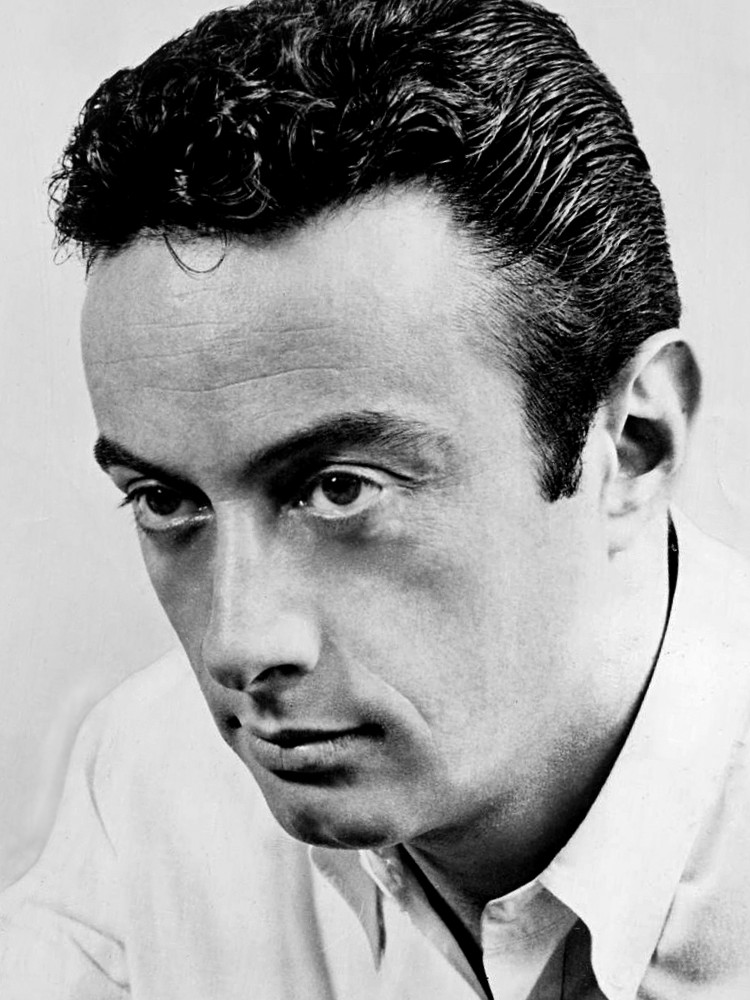
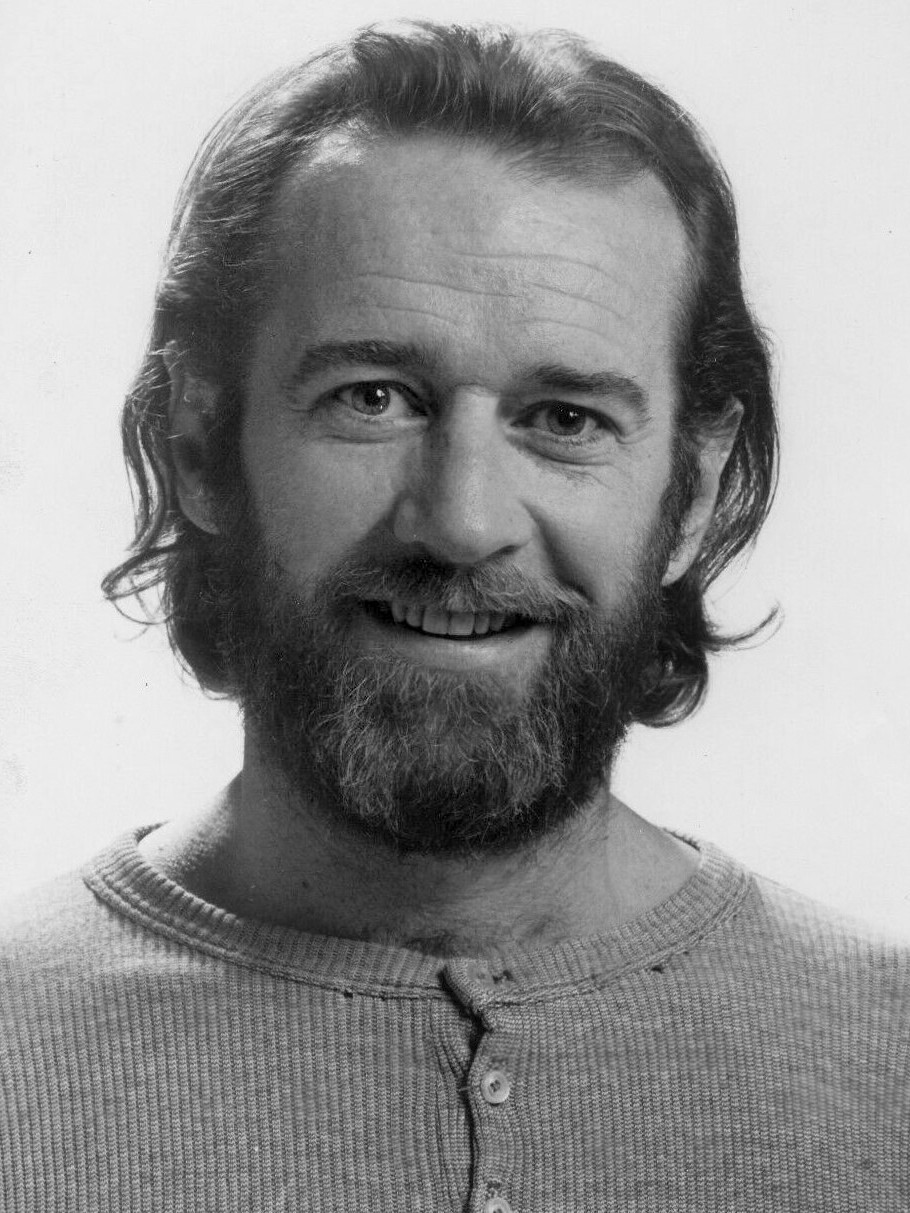
See also: Lenny Bruce (the taboo-breaking forebear Pryor admired, destroyed by the courts where Pryor aimed the transgression inward) and George Carlin (the cohort peer who ran the same provocation through logic and the law rather than through the truth of a life).
Sources: Richard Pryor — Wikipedia; Richard Pryor — Britannica; Richard Pryor — Kennedy Center (inaugural Mark Twain Prize, 1998); That Nigger’s Crazy — Wikipedia (Grammy, Best Comedy Recording); Official Richard Pryor — NBC Stand-Up Special, 1977 (video).
Cross-Referenced Dossiers
Prefer RSS? Subscribe here.