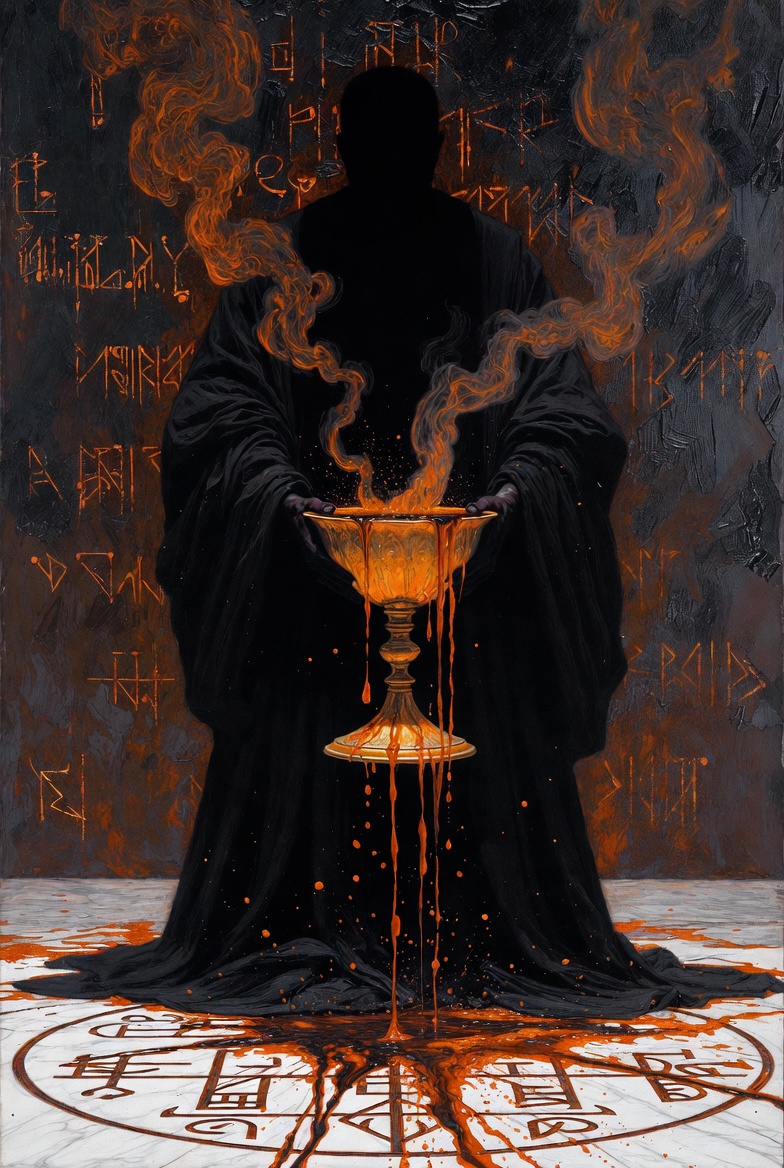
Related research: Aleister Crowley (1875-1947): The Beast Who Was Mostly Just Annoying.
Behavioral Archetype
THE DELIBERATE MONSTER — Subject cultivated “the wickedest man in the world” reputation with strategic intent, using tabloid horror as advertising for a genuine philosophical-magical system (Thelema). The scandal was the delivery mechanism. The teachings were the payload. Whether the teachings justified the delivery mechanism is the question Crowley never answered and probably never intended to.
Essence Indicators
- Projects menace and transgression while operating a structured philosophical system with genuine scholarly depth
- Demonstrates calculated use of scandal — each outrage serves recruitment, publicity, or philosophical demonstration purposes
- Maintains dual-track persona: “Beast 666” for public consumption, serious scholar-practitioner for initiates
- Shows unusual combination of genuine mystical experience and ruthless self-promotion
- Converts establishment persecution into proof of his own significance
Social Persona / Impression Management
Immediate impression: Depends on the decade. 1900s: Mountaineer, poet, Golden Dawn adept. 1910s-20s: “The Great Beast,” tabloid monster, drug-fueled sex magician. 1930s-40s: Declining, impoverished, but still maintaining the persona with diminishing resources. The persona was consistent; the resources to sustain it were not.
Energy: Intense, domineering, magnetically charismatic and simultaneously repellent. Contemporary accounts describe a man who could fill a room with his presence and empty it with his behavior. The combination of erudition and obscenity was disorienting by design.
Impression management strategy: CONTROLLED NOTORIETY. Crowley understood that scandal sells. The tabloid “Beast 666” reputation guaranteed that everyone who encountered Thelema had already heard of it. The outrage was the marketing. The philosophy was the product. The conversion funnel: newspaper reader → horrified curiosity → investigation → “Do what thou wilt” → potential recruit. This is a sophisticated content strategy deployed 80 years before the internet.
Forensic Archetype Comparison
| Pattern | Match Level | Evidence |
|---|---|---|
| The Cult Leader | HIGH | Founded Thelema. Established the Abbey of Thelema. Demanded obedience from followers. The cult-leader pattern is undeniable. However, “Do what thou wilt shall be the whole of the Law” is an unusual cult doctrine — it commands autonomy rather than submission. |
| The Narcissistic Operator | HIGH | Grandiosity is extreme and documented. “The wickedest man in the world” is a narcissistic claim even if the tabloids coined it — Crowley embraced and promoted it. Self-identification as the Beast 666 is not a humble act. |
| The Social Engineer | MODERATE | Manipulated followers, lovers, and institutional adversaries. However, the manipulation was rarely subtle — Crowley bludgeoned where Swift would have deadpanned. |
| The Pathological Liar | MODERATE | Subject’s autobiographical claims are frequently exaggerated or fabricated. The Confessions reads as mythology, not memoir. However, enough claims have been independently verified that outright pathology is too strong a diagnosis. |
Psychometric Assessment
Big Five (OCEAN):
| Trait | Score | Evidence |
|---|---|---|
| Openness | 99/100 | Subject explored every available dimension of experience: mountaineering, chess, poetry, ceremonial magic, sex magic, drugs, yoga, painting, espionage (alleged). No boundary respected or recognized. |
| Conscientiousness | 55/100 | Split. Magical diaries show extraordinary discipline in practice (detailed records of rituals, results, conditions). Personal life shows impulsive, chaotic, financially disastrous decision-making. Two different people in one body. |
| Extraversion | 88/100 | Performed, taught, led, dominated. Required an audience, a following, a lover, or an adversary at all times. |
| Agreeableness | 8/100 | Deliberately cultivated disagreeableness as a philosophical and tactical tool. Alienated virtually every associate eventually. The Abbey of Thelema’s interpersonal dynamics were catastrophic. |
| Neuroticism | 62/100 | Moderate-high. Drug addiction, financial anxiety, deteriorating health. Late-life decline into poverty and dependence. The persona of invulnerability concealed genuine suffering. |
Dark Triad:
| Trait | Score | Notes |
|---|---|---|
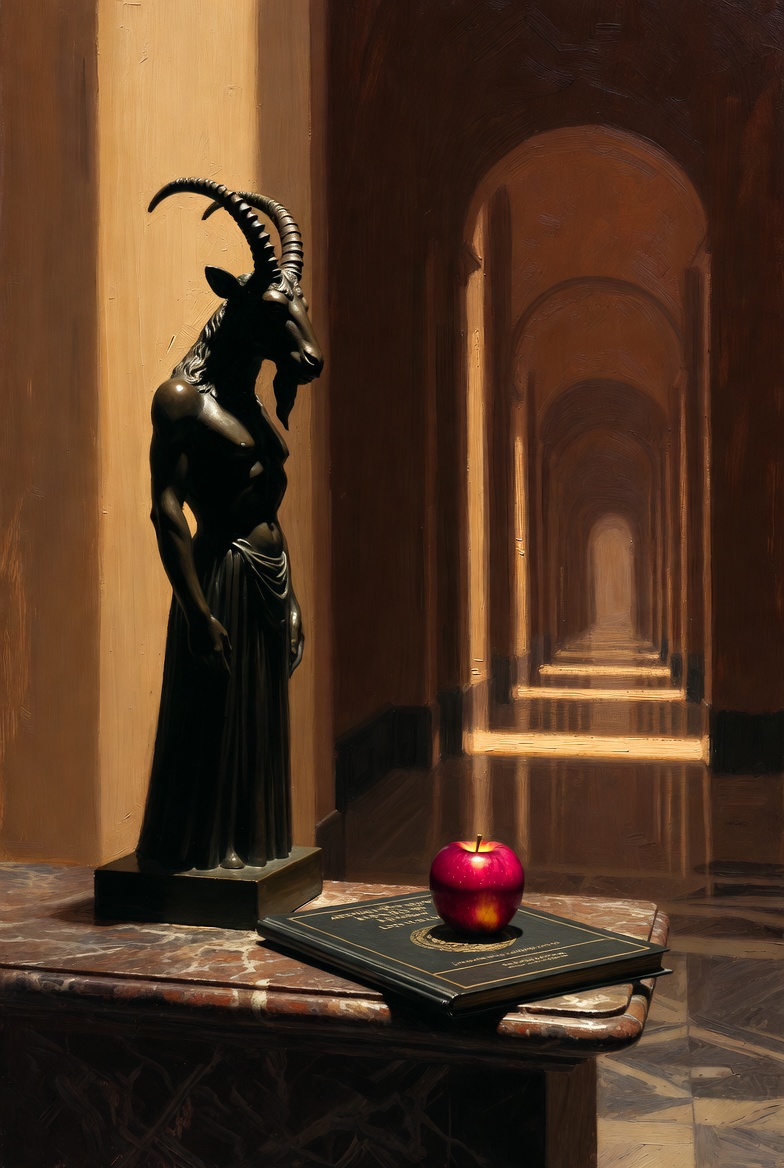
| Narcissism | 92/100 | Extreme. Self-identified as the Prophet of a new Aeon. Named himself “The Great Beast 666,” “To Mega Therion,” “Baphomet.” Every title is a superlative. The narcissism is structural — it IS the persona. |
| Machiavellianism | 68/100 | High but inconsistent. Strategic when sober, chaotic when not. The tabloid-as-recruitment-funnel strategy was brilliant. The interpersonal relationships were a series of avoidable disasters. |
| Psychopathy | 55/100 | Moderate-high. Demonstrated genuine callousness toward followers, lovers, and dependents. The diary entries about Raoul Loveday’s death at the Abbey suggest insufficient concern. However, later writings show remorse and self-awareness that true psychopathy would preclude. |
MBTI: ENTJ (“The Commander”) — Dominant extraverted thinking, auxiliary introverted intuition. Subject builds systems (Thelema, A.’.A.’., OTO restructuring) and commands followers. The intuition manifests as genuine mystical insight; the thinking function organizes it into teachable structure.
Threat Assessment
| Category | Level | Notes |
|---|---|---|
| Physical threat | LOW | Drug-addled and physically declining for most of his notorious period. The menace was performative. |
| Institutional threat | MODERATE | Challenged organized religion, social mores, drug laws, and sexual norms simultaneously. The Golden Dawn schism – Crowley acting as MacGregor Mathers’s agent against the London rebels led by W. B. Yeats – was personally devastating but institutionally contained. |
| Memetic threat | HIGH | “Do what thou wilt shall be the whole of the Law” is still in cultural circulation. Thelema is still practiced. The occult revival of the 1960s-70s traces directly through Crowley. Led Zeppelin’s Jimmy Page bought his house. |
| Posthumous threat | IRONIC | Subject who claimed to be the most important person in the history of magic is most commonly known as “that guy on the Sgt. Pepper’s cover.” The establishment absorbed him as a cultural curiosity, which is either the ultimate defeat or the ultimate infiltration. |
Deception Analysis
Primary deception modality: HYPERBOLIC SELF-MYTHOLOGY. Subject presents exaggerated versions of real experiences and accomplishments. The mountaineering was real (K2 attempt, 1902). The magical practice was real and disciplined. The scholarly output was genuine. But the persona — the Beast, the wickedest man, the Prophet — layers mythology over reality until the two are inseparable. Crowley is unreliable not because he lies outright but because he cannot resist improving the story.
Authenticity assessment: PARADOXICAL. The most authentic thing about Crowley is the magical practice — the diaries are meticulous, the discipline is genuine, the results (whatever one makes of them) are documented with scientific precision. The least authentic thing is the public persona, which is a theatrical production. The tragedy is that the theater overshadowed the practice, and Crowley both caused this and was destroyed by it.
Flame Warrior Classification
Primary: Evil Clown / Grenade Secondary: Philosopher (the genuine Thelemic system) Notes: Crowley is the only subject in this file who functions simultaneously as a Flame Warrior and as a Grenade — he is both a provocateur AND the subject that, when mentioned, detonates any conversation it enters. Say “Crowley” in a room of occultists and watch the temperature change. He is his own trolling prompt. ATK 7, DEF 4, HP 6. The ATK is high because the provocations landed every time. The DEF is low because the persona invited attack rather than deflecting it. The HP reflects the decades of sustained output despite poverty, addiction, and decline.
Book 2 Addendum — The Babalon Theology
Book 2 recontextualizes Crowley within the demonization thesis. The “Beast 666” persona is not merely narcissistic theater — it is a deliberate inversion of Christian demonization. Crowley’s most significant theological contribution is the figure of Babalon: the re-sacralization of the Whore of Babylon.
The genealogy: Inanna (Sumerian sacred goddess, c. 4000 BC) → Ishtar (Akkadian sacred goddess) → Astarte/Ashtoreth (demonized in Hebrew Bible) → Whore of Babylon (Revelation 17, fully demonized) → Babalon (Crowley, re-sacralized in The Vision and the Voice, Liber 418, 1909).
Crowley’s Babalon is not the Bible’s Whore. She is the reclaimed feminine divine — the sacred sexuality that three millennia of Abrahamic religion suppressed by demonizing Inanna’s descendants. The chalice she holds is not sin but initiation. The Beast she rides is not evil but the material world she transcends through embrace rather than rejection.
The Abyss crossing (Book 2 Ch. 15-16) maps onto Saturn/Binah on the Tree of Life: the aspirant must cross the Abyss — the nigredo, the destruction of ego — to reach Binah, the supernal Mother, which is Saturn’s sphere. The katabasis of Inanna (seven gates, stripping, death, resurrection) is the mythological template. Crowley’s magical system is Mesopotamian initiation in Qabalistic dress.
This addendum upgrades Subject 006 from “Book 1 provocateur” to “structural node in the three-thousand-year demonization pattern.” The Deliberate Monster archetype remains valid. The theology behind the monster is the Book 2 contribution.
Sources: Britannica — Aleister Crowley; Aleister Crowley — Wikipedia; Thelema — Wikipedia; Lawrence Sutin, Do What Thou Wilt: A Life of Aleister Crowley — Macmillan.
Cross-Referenced Dossiers

Prefer RSS? Subscribe here.