Behavioral Archetype
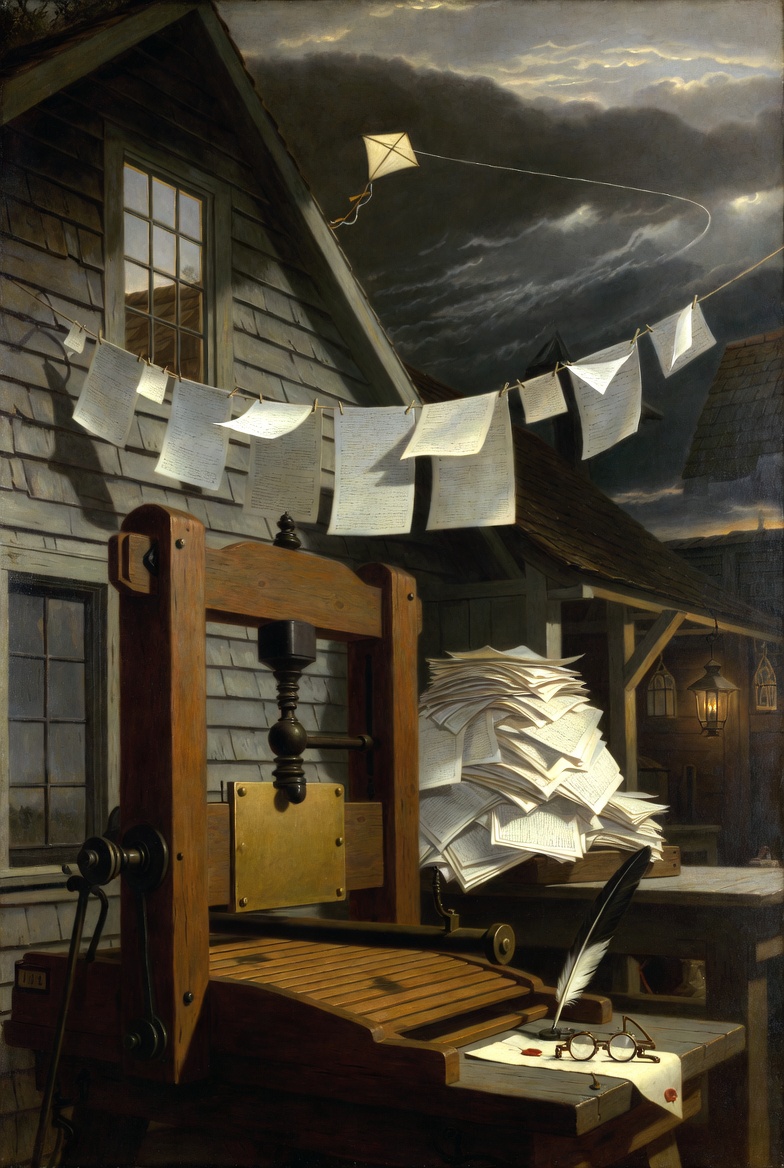
THE STRATEGIC IMPOSTOR — Subject creates fictional personas to advance real objectives. Silence Dogood (middle-aged widow, invented when Franklin was 16), Richard Saunders (Poor Richard), Polly Baker (unwed mother defending herself in court), and numerous others. Each persona is crafted to say things the real Franklin cannot or should not say. The mask does the work; Franklin collects the results.
Essence Indicators
- Projects folksy American simplicity while executing sophisticated political and diplomatic strategy
- Demonstrates extraordinary comfort with deception in service of larger goals — the lies are tactical, not pathological
- Maintains multiple simultaneous identities without apparent psychological strain
- Weaponizes charm and humor as diplomatic tools — the “benevolent grandfather” persona in Paris was a calculated performance
- Shows unusual ability to operate across social contexts: printer, scientist, diplomat, revolutionary, rake
Social Persona / Impression Management
Immediate impression: Depends entirely on which Franklin you’re meeting. In Philadelphia: the industrious printer, self-made man, civic improver. In Paris: the fur-hatted American philosopher, noble savage of the New World, irresistible to French intellectuals and French women. In London: the loyal colonial subject, reasonable moderate, bridge between Empire and colonies (a persona he maintained until it was no longer useful, then discarded completely).
Energy: Warm, approachable, apparently transparent. Subject excels at making people feel they are seeing the real Franklin. They are never seeing the real Franklin. They are seeing whichever Franklin is strategically optimal for the current context. The warmth is genuine; the transparency is performed.
Impression management strategy: Radical adaptability. Franklin is the Chameleon archetype at national scale. The fur cap in Paris was a prop — French intellectuals expected a rustic American philosopher, so Franklin gave them one. He had been wearing powdered wigs in London for years. The change was instant, deliberate, and devastatingly effective.
Forensic Archetype Comparison
| Pattern | Match Level | Evidence |
|---|---|---|
| The Social Engineer | EXTREME | Possibly the most effective social engineer in American history. Negotiated the French alliance (without which the Revolution fails) through personal charm, strategic persona management, and ruthless exploitation of French sympathy for the colonial cause. |
| The Chameleon | EXTREME | Multiple documented identities, each perfectly calibrated. Silence Dogood (created age 16), Richard Saunders, numerous others. Switched between personae as easily as changing coats. |
| The Con Artist | MODERATE | The Polly Baker speech (1747) — a fictional unwed mother defending herself in court — was printed as real news in several publications. Franklin let the deception stand for decades. |
| The Corporate Psychopath | LOW-MODERATE | Subject was a skilled businessman who built wealth systematically. But the psychopathy framing is too strong — Franklin used wealth for civic purposes (library, fire company, university, hospital). |
Psychometric Assessment
Big Five (OCEAN):
| Trait | Score | Evidence |
|---|---|---|
| Openness | 92/100 | Scientist (electricity, bifocals, Gulf Stream mapping), diplomat, publisher, revolutionary, musician (glass armonica), writer. Intellectual curiosity bordered on compulsive. |
| Conscientiousness | 87/100 | The Autobiography’s daily schedule and moral accounting system. “Early to bed, early to rise.” Subject practiced what he preached, mostly. |
| Extraversion | 90/100 | Thrived in salons, coffeehouses, political chambers, and bedrooms across two continents. The social network was the operating system. |
| Agreeableness | 65/100 | Higher than most subjects in this file. Franklin’s effectiveness depended on likability. But the agreeableness was strategic — he was agreeable in the way a negotiator is agreeable: to get what he wants. |
| Neuroticism | 22/100 | Remarkably low. Subject maintained composure across decades of political upheaval, personal attacks, and the dissolution of an empire he once served. Adapted to circumstances rather than being destabilized by them. |
Dark Triad:
| Trait | Score | Notes |
|---|---|---|
| Narcissism | 55/100 | Moderate-high. The Autobiography is a masterclass in self-mythologizing presented as humble self-improvement. Franklin curated his legacy with the care of a brand manager. |
| Machiavellianism | 88/100 | Very high. Every persona, every relationship, every public statement served strategic objectives. The “simple American” in Paris was the most sophisticated diplomatic operator in the room. |
| Psychopathy | 20/100 | Low. Genuine civic-mindedness and generosity documented throughout life. However, the ease with which he abandoned the London persona and British identity suggests a certain detachment from any single version of himself. |
MBTI: ENTP — The pattern recurs. Extraverted intuition manifests as the ability to see possibilities in every situation and craft personas to exploit them. But Franklin’s auxiliary thinking function is more developed than Socrates’ or Voltaire’s — he builds institutions, not just arguments.
Threat Assessment
| Category | Level | Notes |
|---|---|---|
| Physical threat | NONE | Elderly, gout-afflicted. The most dangerous thing he carried was a pen. |
| Institutional threat | NATION-CREATING | Helped draft the Declaration of Independence, secured the French alliance, negotiated the Treaty of Paris. Used persona management and strategic charm to bring an empire to its knees. |
| Memetic threat | EXTREME | Poor Richard’s Almanack aphorisms are still in active cultural circulation 290 years later. “An ounce of prevention is worth a pound of cure.” “Nothing is certain except death and taxes.” The memes predate the internet by 250 years. |
| Posthumous threat | RESOLVED | Subject died having helped create a nation. Threat successfully actualized. |
Deception Analysis
Primary deception modality: STRATEGIC PERSONA CREATION. Subject creates fictional identities that are more persuasive than his real identity. Silence Dogood was more interesting than young Benjamin Franklin. Poor Richard was more quotable than publisher Benjamin Franklin. The fur-capped philosopher was more useful in Paris than the real Benjamin Franklin.
The pattern: when the real person cannot achieve the objective, create a fictional person who can. This is not pathological deception. It is the Impostor archetype elevated to statecraft.
Authenticity assessment: LAYERED. Each persona is “fake” but the objectives served are real. The warmth appears genuine. The civic commitments (library, fire company, university) are real. But which Franklin is the “real” Franklin? The printer? The scientist? The diplomat? The rake? The answer is probably: the one who understood that identity is a tool, not a truth. In which case, the most authentic thing about Franklin is the inauthenticity itself.
Flame Warrior Classification
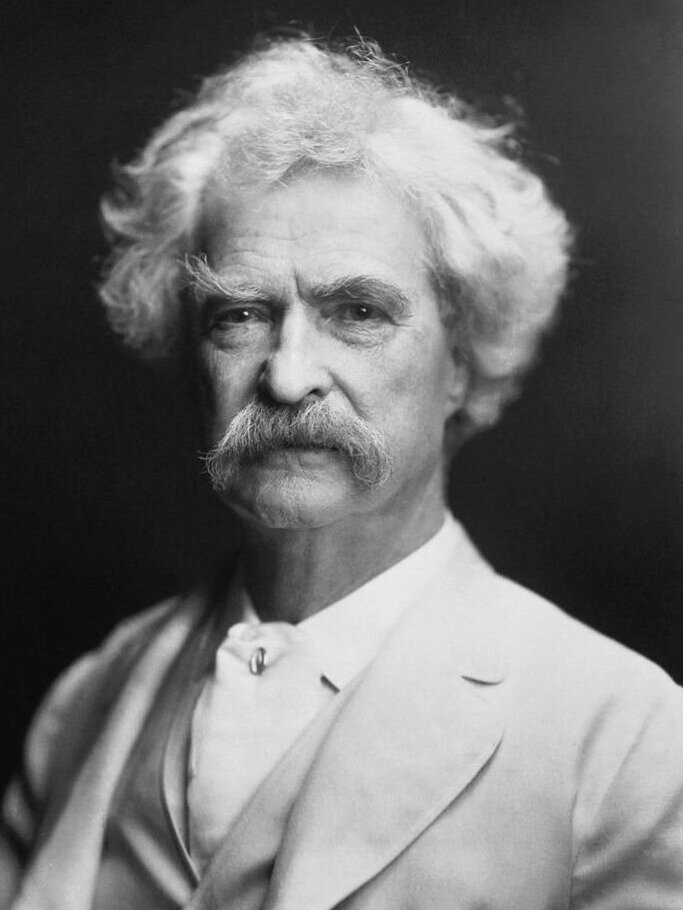
Primary: Impostor Secondary: Philosopher (the scientific and political writings are genuine contributions, not merely strategic) Notes: The Impostor classification is meant as a compliment. Franklin understood that the person delivering the message determines whether the message is heard. When a middle-aged widow speaks about social hypocrisy, the audience listens differently than when a 16-year-old printer’s apprentice does. Franklin didn’t just change the message. He changed the messenger. Every time. ATK 8, DEF 7, HP 9. The high HP reflects a career spanning six decades and two continents without ever being caught in a lie — because the lies were always attributed to someone else. The pseudonymous-pamphleteer trade files him beside Jonathan Swift – the Bickerstaff hoax and the Drapier’s Letters ran the same play – and ahead of the American vernacular wit later perfected by Mark Twain.
Sources: Britannica — Benjamin Franklin; Founders Online — The Papers of Benjamin Franklin (National Archives); Wikipedia — Benjamin Franklin; Wikipedia — Polly Baker.
Cross-Referenced Dossiers


Prefer RSS? Subscribe here.