Behavioral Archetype
“Jobs rarely gives interviews, and when he does, they’re always very controlled and scripted, so no one really knows what he thinks, and it’s tempting to just leap in there and fill the void yourself.” (Dan Lyons, BU Today, 2007)
THE SATIRIST WITH A PSEUDONYM — Subject is a persona: “Fake Steve”, the imagined private voice of Apple’s chief executive, written anonymously from 2006 by a Forbes editor as a vain, foul-tempered tyrant who mocked Linux fans, rival executives and the technology press. Silicon Valley read it and hunted its author; the New York Times named him in 2007. It is on this file as the blog-era ancestor of the parody account: an impersonation of a real man, labelled as a joke, whose power came from not knowing who wrote it.
Essence Indicators
- The premise. “What if a drunken, angry CEO wrote a blog, Lyons wondered.” (InformationWeek); “The great thing about Fake Steve is that he has become his own little character, and I just let him rip on all kinds of things.” (BU Today)
- The character. “‘Fake Steve’ is a fictional character, not a real representation of Jobs, and not Lyons either.”; “Fake Steve is a thoroughly unlikable character”; “I realized what I created was a performance space” (InformationWeek). The tone, per Reuters: it “blasts Linux fans as “freetards” and skewers leading journalists as “filthy hacks”” (NZ Herald / Reuters)
- The hunt. “The publisher of Forbes made it a mission to hunt down the identity of Fake Steve, offered a reward” (InformationWeek); and then the job offer: “We think you’re a genius.” (BU Today)
- The outing. “I was hoping to stay anonymous for a while longer”; to the reporter who found him: “You did the sleuthing. You put the pieces of the puzzle together. You went through my trash, hacked into my computer, and put listening devices in my home.” (NZ Herald / Reuters)
- The stop, and a doubt. His reason in July 2008: “I just couldn’t carry on. I hope and pray that he’s not sick.”; John Gruber: “I’m sure it had nothing to do with the fact that continuing the Fake Steve blog might have an adverse effect on the amount of access to new products Apple will grant to Lyons and Newsweek.” (Daring Fireball) — sarcasm, recorded as doubt, not as a finding.
Social Persona / Impression Management
Immediate impression: Steve Jobs, if Steve Jobs said everything he was suspected of thinking.
Energy: Imperious, gleeful.
Impression management strategy: THE LABELLED FAKE. Everyone knew it was not Jobs; nobody knew who it was.
Forensic Archetype Comparison
| Pattern | Match Level | Evidence |
|---|---|---|
| The Parody Persona | MAXIMUM | “a fictional character” (InformationWeek). |
| The Anonymous Satirist | HIGH | Outed by the New York Times (BU Today). |
| The Flamer | MODERATE | “freetards”, “filthy hacks” (NZ Herald). |
Psychometric Assessment
Scores assess the persona and its author’s documented account.
Big Five (OCEAN):
| Trait | Score | Evidence |
|---|---|---|
| Openness | 85/100 | “a performance space”. |
| Conscientiousness | 60/100 | A daily blog for two years. |
| Extraversion | 70/100 | Talked about it at conferences. |
| Agreeableness | 20/100 | “a thoroughly unlikable character” (InformationWeek). |
| Neuroticism | 30/100 | Joked about his outing. |
Dark Triad:
| Trait | Score | Notes |
|---|---|---|
| Narcissism | 70/100 | The persona’s, by design. |
| Machiavellianism | 40/100 | |
| Psychopathy | 10/100 |
MBTI: ENTP (“The Debater”) — the satirist who argued in someone else’s voice.
Why This Profile Matters
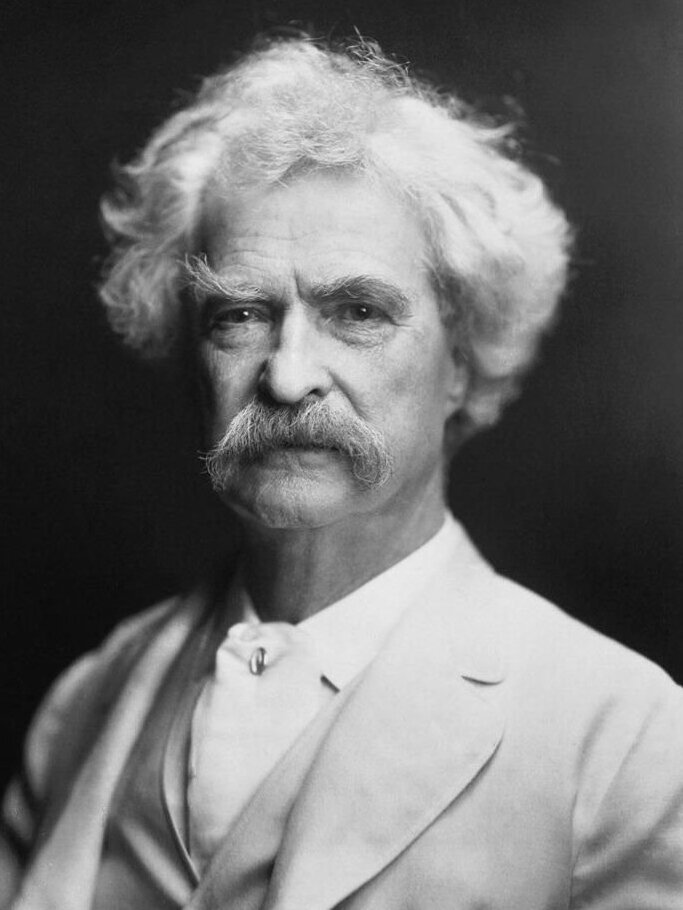
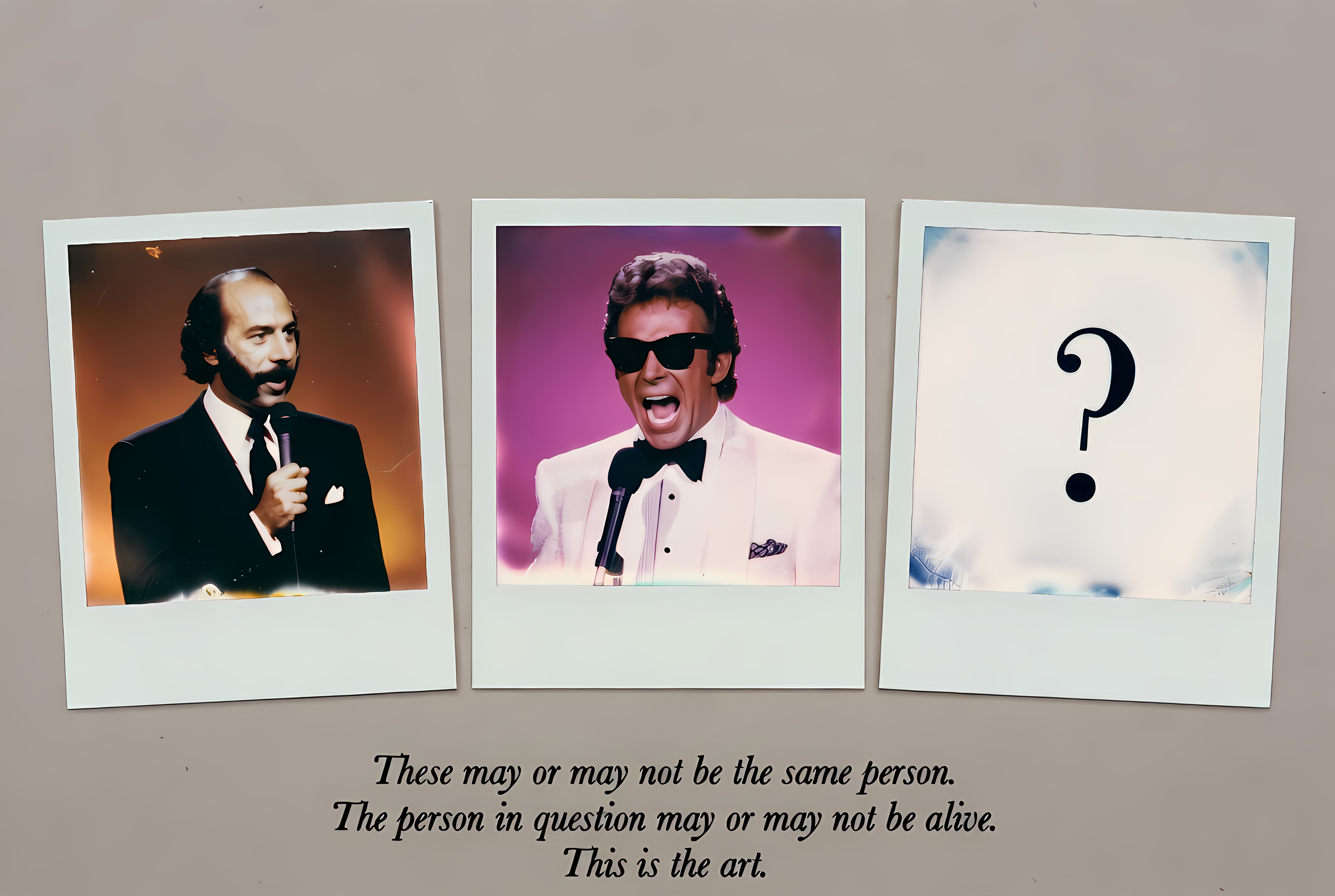
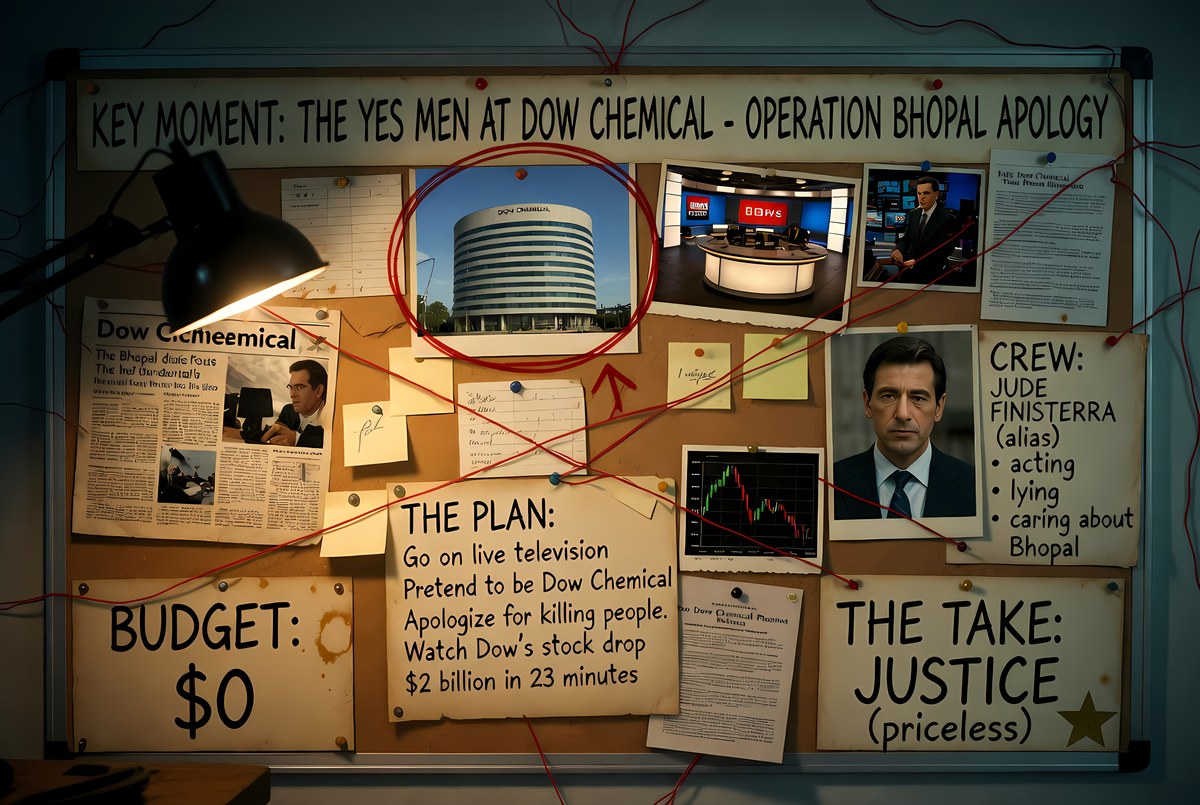
Fake Steve is the moment the satirical persona moved onto the open web and the industry it mocked read it daily. It sits in the line of Jonathan Swift and Mark Twain, beside Andy Kaufman and The Yes Men, and ahead of dril and the parody accounts that followed.
Threat Assessment
| Category | Level | Notes |
|---|---|---|
| Physical threat | NONE | |
| Memetic threat | HIGH | The template for the CEO parody account. |
| Institutional threat | LOW | Embarrassment, not harm. |
| Civilizational threat | NONE |
Flame Warrior Classification
Primary: not yet typed. The evidence on file leans Impostor (partial: a labelled parody persona of a real man). Secondary: none yet. Stealth (partial) is on file as an alternative: anonymous until outed.
Notes: An Impostor wearing a CEO: Daniel Lyons started the blog in 2006, “writing anonymously at first” (InformationWeek), and the New York Times outed him in August 2007 (BU Today; NZ Herald). When he stopped, Daring Fireball doubted the reason he gave (Daring Fireball).
Sources: BU Today, 2007; InformationWeek; NZ Herald / Reuters, August 2007; Daring Fireball, 25 July 2008
Cross-Referenced Dossiers

The scores on this file are computed by a published rule from sourced records, the same rule for every troll. Nobody types a number: a score moves only when a record does. How the scoring works
Prefer RSS? Subscribe here.