Behavioral Archetype
“GREAT ASTRONOMICAL DISCOVERIES LATELY MADE BY SIR JOHN HERSCHEL” (the New York Sun, 25 August 1835, as transcribed by the Museum of Hoaxes)
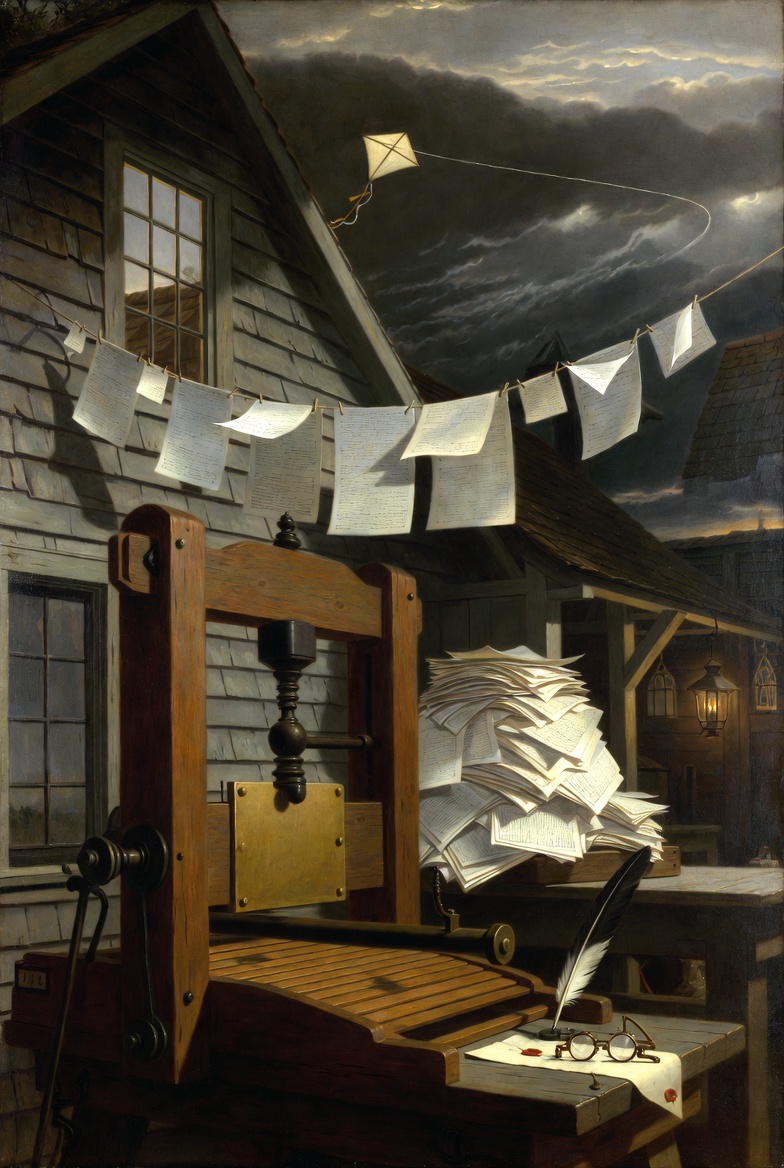
THE NEWS STORY THAT CITED ITS OWN FAKE SOURCE — Subject is the Great Moon Hoax: a six-part series in a penny paper reporting that the real astronomer Sir John Herschel, then at the Cape of Good Hope, had seen bat-winged people and unicorns on the Moon through a giant telescope. It credited a fictional assistant and a defunct Edinburgh journal. Rival papers reprinted it, then mocked it; the Sun never owned up. It is on this file as the first mass-media troll: real names, fake sourcing, and a public that argued its way into spreading it.
Essence Indicators
- The method. The series was “composed the serialized article as if reported by an astronomer who had accompanied Herschel on his expedition, the fictitious Andrew Grant” (Library of Congress, Folklife Today)
- The spread. After the second instalment, “other newspapers began reprinting the story from the beginning” (LoC)
- The rival’s verdict. The Evening Post, 29 August: “If Jonah swallowed a whale” (the line, as the LoC quotes it, mocks the papers that swallowed the story) (LoC)
- The suspect’s answer. Richard Adams Locke to the Evening Post, 31 August: “I beg to state, as unequivocally as the words can express it, that I did not make those discoveries” (LoC). It denies the discoveries, not the writing.
- The joke’s second life. A Philadelphia paper printed an auction notice for “nine thousand building lots situated in the territory recently discovered by Sir John Herschel” (LoC)
- The paper’s silence. “But The Sun did not retract the story or reveal the name of the author.”; “An occasional hoax might be forgiven, but there were objections to the failure of the editors of The Sun to own up” (LoC). A later admission in September 1835 is reported elsewhere but is on no page read; it is not stated.
Social Persona / Impression Management
Immediate impression: A sober scientific dispatch, with a famous astronomer’s name in the headline.
Energy: Breathless wonder, footnoted.
Impression management strategy: THE BORROWED AUTHORITY. A real scientist, a real-sounding journal, an invented witness.
Forensic Archetype Comparison
| Pattern | Match Level | Evidence |
|---|---|---|
| The Fake Dispatch | MAXIMUM | A fictional assistant and a defunct journal (LoC). |
| The Unconfessed Hoax | HIGH | “did not retract the story” (Library of Congress, Folklife Today, “The Great Moon Hoax”) (same). |
| The Swarm | MODERATE | Other papers reprinted it. |
Psychometric Assessment
A newspaper series has no psyche. Scores assess the persona it performs.
Big Five (OCEAN):
| Trait | Score | Evidence |
|---|---|---|
| Openness | 95/100 | Bat-men on the Moon. |
| Conscientiousness | 75/100 | Six instalments of plausible detail. |
| Extraversion | 80/100 | A penny paper’s front page. |
| Agreeableness | 40/100 | Used a living astronomer’s name. |
| Neuroticism | 20/100 | Never blinked. |
Dark Triad:
| Trait | Score | Notes |
|---|---|---|
| Narcissism | 50/100 | |
| Machiavellianism | 80/100 | Authority borrowed, never returned. |
| Psychopathy | 10/100 | No harm beyond embarrassment. |
MBTI: ENTP (“The Debater”) — the editor who let the argument sell the papers.
Why This Profile Matters
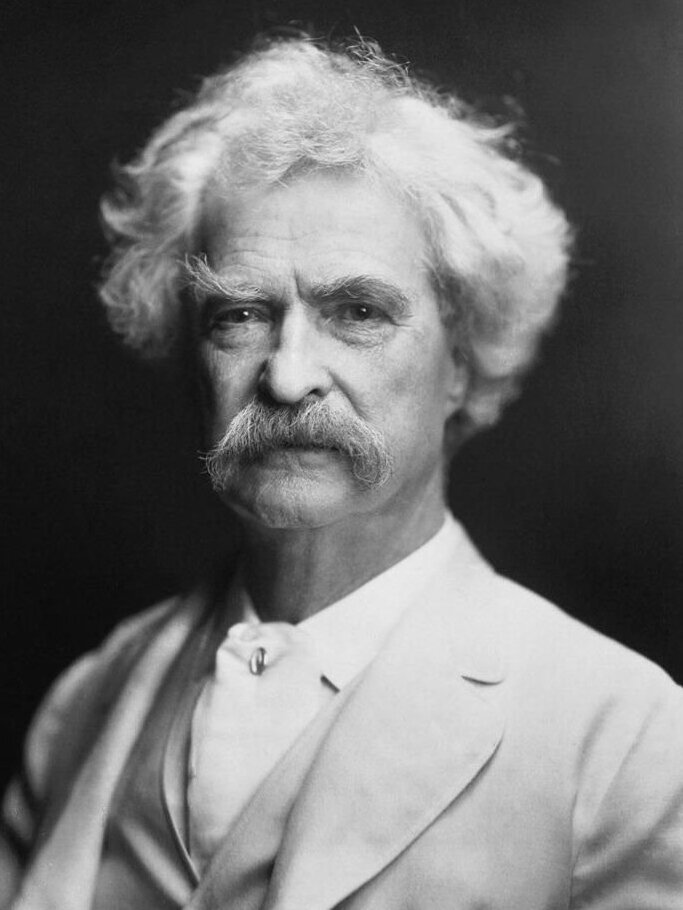
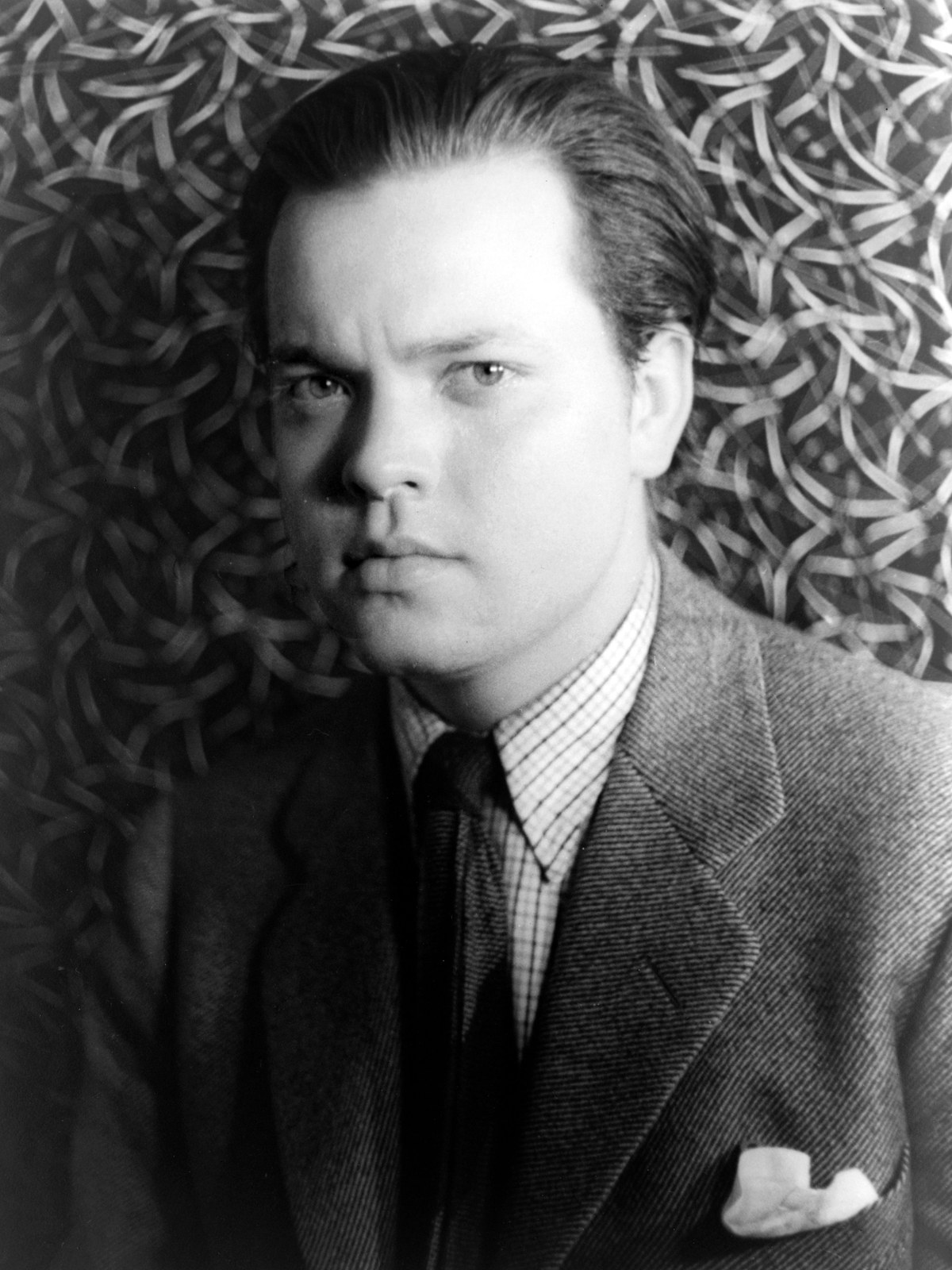
The Moon Hoax is the template for fake news by sourcing: a real name, an official-sounding source, a witness who does not exist, and a refusal to retract while rivals do the spreading. It opens the print lineage that runs through Poe’s balloon hoax, Mark Twain’s newspaper fakes, Orson Welles’s broadcast and Sidd Finch, with Benjamin Franklin and the professional pranksters Alan Abel and Joey Skaggs as kin.
Threat Assessment
| Category | Level | Notes |
|---|---|---|
| Physical threat | NONE | |
| Memetic threat | HIGH | The first great media hoax. |
| Institutional threat | MODERATE | A science’s name, borrowed. |
| Civilizational threat | LOW |
Flame Warrior Classification
Primary: not yet typed. The evidence on file leans Impostor, with Artful Dodger partial. Secondary: none yet.
Notes: An Impostor’s byline, “the fictitious Andrew Grant,” over a series about life on the Moon. Rival papers reprinted it, then mocked it, and the suspected author answered in the Evening Post: “I beg to state, as unequivocally as the words can express it, that I did not make those discoveries”; a Philadelphia paper printed an auction notice for lots “in the territory recently discovered by Sir John Herschel,” and the Sun “did not retract the story” (Library of Congress). The text survives in transcription (Museum of Hoaxes).
Sources: The New York Sun, 25 August 1835 (Museum of Hoaxes transcription); Library of Congress, Folklife Today, “The Great Moon Hoax”
LULZ Index
Best act 12 of 15
12of 15
The Great Moon Hoax
C++ T++ F+++ H+++ A++
F moon hoax entered the language A Locke did not admit authorship until 1840
The satire failed completely. Readers did not laugh at Dick.
hoaxes.org scholarly
C craft T target F funny H harmless A anonymous One plus a point, three at most. The number rates the act, not the person. How the code reads The whole index
Cross-Referenced Dossiers
The scores on this file are computed by a published rule from sourced records, the same rule for every troll. Nobody types a number: a score moves only when a record does. How the scoring works
Prefer RSS? Subscribe here.