Behavioral Archetype
THE PERFECT DEADPAN — Subject presents horrifying proposals with absolute sincerity, forcing the audience to determine the boundary between satire and earnestness without assistance. The format is the trap. The reader nods along, the nodding continues, the horror registers, and then the reader must confront how long they were nodding. The distance between the first nod and the recognition of horror is where the damage occurs.
Essence Indicators
- Projects total earnestness while deploying devastating irony — the gap between presentation and intent is weaponized
- Demonstrates unusual ability to sustain a satirical persona across extended works without breaking character
- Operates from positions of institutional authority (Dean of St. Patrick’s Cathedral, Dublin) while undermining institutional assumptions
- Shows deep moral outrage beneath the surface calm — the deadpan is not indifference but controlled fury
- Converts the English treatment of Ireland into literary ammunition with the precision of a munitions engineer
- First-hand texts: A Modest Proposal (1729), Gulliver’s Travels (1726), A Tale of a Tub (1704), the Drapier’s Letters and the 1724 proclamation against them, in Temple Scott’s edition of the Prose Works, volume 6, the Bickerstaff-Partridge papers (1708 and 1709), the Verses on the Death of Dr. Swift (written 1731, in the Poems, volume 1) and the Journal to Stella (1710 to 1713). The table further down says which claims rest on his own words, which on the proclamation and the editors’ notes, and which on the cathedral and the hospital
- What he paid, ranked above what he said. The first cost was preferment. The cathedral’s own history of its Dean says “he would have preferred an appointment in England” (St Patrick’s Cathedral, Dean 1713 to 1745), and his verses on himself state the price of the pen: “Had he but spared his tongue and pen / He might have rose like other men” (Verses on the Death of Dr. Swift). The second cost was a price on his head. On 27 October 1724 the Lord-Lieutenant and Council took “a wicked and malicious pamphlet” as the occasion and offered “three hundred pounds sterling” for its author (Appendix VI, Prose Works, volume 6), and in Swift’s verse the sum is the measure of his neighbours: “But not a traitor could be found, / To sell him for six hundred pound.” His note to that line says the first £300 was the Queen’s, in 1713, for The Public Spirit of the Whigs, and the second the Lord-Lieutenant’s, in 1724, for the fourth Drapier letter, “but in neither kingdom was the Dean discovered” (Verses, note 26). The third cost was other people’s liberty: the printer. “Harding, for printing the obnoxious letter, had been arrested and imprisoned” (Temple Scott’s introduction to the Drapier’s Letters), and in the first letter Swift had already reminded his readers of the earlier case, when “the POOR PRINTER was prosecuted two years, with the utmost violence” for a pamphlet on Irish manufactures (same text). The last cost was the estate: “He gave the little wealth he had / To build a house for fools and mad” (Verses), and the hospital’s own history gives the sum as £12,000 and the founding as “One year after his death, in 1746, St Patrick’s Hospital was founded.” (St Patrick’s Hospital, history and archives)
- The method in his own words. A Modest Proposal: “a young healthy child well nursed, is, at a year old, a most delicious nourishing and wholesome food”, the arithmetic that “will make four dishes of excellent nutritive meat”, and the closing alibi, “I have no children, by which I can propose to get a single penny; the youngest being nine years old, and my wife past child-bearing.” Then the sentence that shuts the door on every sensible alternative: “Therefore let no man talk to me of other expedients” (A Modest Proposal). The Tale of a Tub states the economics of satire in its preface: “satire, being levelled at all, is never resented for an offence by any” (A Tale of a Tub), and demonstrates the method on a dissected body: “Last week I saw a woman flayed, and you will hardly believe how much it altered her person for the worse.” (same text)
- The Drapier, in the words that were proclaimed against. Letter IV: “in reason, all government without the consent of the governed is the very definition of slavery”, and “by the laws of GOD, of NATURE, of NATIONS, and of your own COUNTRY, you ARE and OUGHT to be as FREE a people as your brethren in England” (Drapier’s Letters, Letter IV). The proclamation names the pamphlet, the printer and the street, “printed by John Harding, in Molesworth’s Court, in Fishamble Street, Dublin”, and does not name its author (Appendix VI, same text). The signature list runs to seventeen names, Midleton first. Archbishop King, who refused to sign, wrote on 24 November 1724: “I thought the premium excessive, so I and three more refused to sign it” (quoted in the editor’s note, same text)
- The outcome, in the editor’s account: “On the 14th August, 1725, a vacation of the patent was issued”, and the Lord-Lieutenant told Parliament that “his Majesty had put an entire end to the patent granted Wood for coining copper halfpence and farthings.” The same editor adds the other half: “It does not at all matter that Walpole finally had his way”, and “Wood retired satisfied with the ample compensation allowed him”, a pension of “£3,000 per annum for twelve years” (Temple Scott, Prose Works, volume 6). The cathedral records the civic reward: “he was presented with the freedom of the City of Dublin by Dublin Corporation” (St Patrick’s Cathedral)
- The hoax in the prediction itself. The Bickerstaff predictions for 1708: “It relates to Partridge the almanack-maker; I have consulted the stars of his nativity by my own rules, and find he will infallibly die upon the 29th of March next, about eleven at night, of a raging fever”, and the sequel, Partridge’s own almanack insisting “he is not only now alive, but was likewise alive upon that very 29th of March” (Bickerstaff-Partridge Papers). The victim’s protest was the hoax’s second act
- The deadpan cuts the other way in Gulliver: the King of Brobdingnag, after hearing Gulliver’s account of England, concludes “the bulk of your natives to be the most pernicious race of little odious vermin that nature ever suffered to crawl upon the surface of the earth” (Gulliver’s Travels, Part II). It is a character’s verdict and the book does not disown it
- Epitaph, in the cathedral’s own record: “Unusually Swift wrote the epitaph himself before he died”, and the English given there reads “Where savage indignation can no longer lacerate his heart” and “Go traveller and imitate if you can, this dedicated and earnest champion of liberty” (St Patrick’s Cathedral). The Dean of the cathedral from “1713 until his death in 1745” wrote the instruction to imitate him as his own memorial
Social Persona / Impression Management
Immediate impression: A clergyman. Respectable, educated, institutionally embedded. The collar is not a disguise; it is genuine. But it is also the reason the satire works — the proposals come from someone the establishment recognizes as one of their own. The insider’s critique is always more devastating than the outsider’s.
Energy: Controlled, measured, deliberate. Where Voltaire dazzles with speed, Swift devastates with patience. A Modest Proposal is only 3,000 words. Every word is load-bearing. The energy is that of a person who has thought about this for a very long time and has decided exactly what to say and how long to wait before saying it.
Impression management strategy: Respectability as camouflage. Swift was the Dean of St. Patrick’s. He moved in the highest political and literary circles (the Scriblerus Club with Pope, Gay, Arbuthnot). His position granted him the cover to publish satire that would have gotten an outsider imprisoned. The establishment trusted him because he was the establishment, which is precisely why his betrayals of that trust landed with such force.
Forensic Archetype Comparison
| Pattern | Match Level | Evidence |
|---|---|---|
| The Calculated Predator | HIGH | A Modest Proposal is methodical, patient, and strategically devastating. Subject waited until the moment of maximum impact — 1729, after decades of English exploitation of Ireland — and delivered a perfectly calibrated strike. |
| The Serial Deceiver | MODERATE | Subject’s primary weapon is the sustained pretense of sincerity. However, the deception serves truth — the fake proposal exposes the real horror. |
| The Chameleon | MODERATE | Adopted multiple personae (Isaac Bickerstaff, Lemuel Gulliver, the anonymous proposer of eating children). Each persona is crafted to serve a specific satirical purpose. |
| The Grievance Collector | MODERATE | Swift nursed genuine grievances against the English treatment of Ireland for decades. The grievance is justified and the collection is methodical. |
Psychometric Assessment
Big Five (OCEAN):
| Trait | Score | Evidence |
|---|---|---|
| Openness | 82/100 | High but channeled. Subject’s imagination produced Lilliputians, Brobdingnagians, and Houyhnhnms. But the inventiveness always serves the argument — never art for art’s sake. The specimen is the dissected body in the Tale: “Last week I saw a woman flayed, and you will hardly believe how much it altered her person for the worse.” (A Tale of a Tub). |
| Conscientiousness | 94/100 | Extremely high. The craftsmanship of A Modest Proposal — every economic calculation, every seasoning suggestion, every deadpan modifier — reflects obsessive attention to detail. The seriousness of the arithmetic is on the page: a child “will make four dishes of excellent nutritive meat”, and the closing alibi is itself a calculation, “the youngest being nine years old, and my wife past child-bearing” (A Modest Proposal). The Bickerstaff papers add a date and an hour for a death: “the 29th of March next, about eleven at night” (Bickerstaff-Partridge Papers). |
| Extraversion | 55/100 | Moderate. Comfortable in literary society but not dependent on performance. Operated primarily through the printed word rather than personal interaction. The Journal to Stella shows the London season: “I have more dinners than ever”, and dinner with “the Secretary of State, Mr. St. John” (Journal to Stella). The Dublin years ran on print: the Drapier is a shopkeeper who does not exist. |
| Agreeableness | 19/100 | Suggested eating children. Described the human race through Gulliver’s final voyage as Yahoos — filthy, irrational, irredeemable animals. Was a clergyman the entire time. The King of Brobdingnag’s verdict on the English: “the most pernicious race of little odious vermin that nature ever suffered to crawl upon the surface of the earth” (Gulliver’s Travels). The Drapier puts the constitutional case in one line: “all government without the consent of the governed is the very definition of slavery” (Letter IV). |
| Neuroticism | 65/100 | Elevated. Subject suffered from what was likely Meniere’s disease (vertigo, deafness, nausea). Late-life cognitive decline was documented and distressing. Converted suffering into fury and fury into satire. His own verse keeps the symptoms: “That old vertigo in his head” and “Besides, his memory decays:” (Verses on the Death of Dr. Swift). |
Dark Triad:
| Trait | Score | Notes |
|---|---|---|
| Narcissism | 45/100 | Moderate. Subject believed his satire was important and was correct. Less flamboyant than Voltaire — Swift did not seek personal fame as aggressively, publishing anonymously or pseudonymously. He wrote his own praise twice. In the verses: “Fair LIBERTY was all his cry,” and in the epitaph the cathedral reproduces, “Go traveller and imitate if you can, this dedicated and earnest champion of liberty” (Verses; St Patrick’s Cathedral). The same verses concede a rival: “I grieve to be outdone by Gay / In my own hum’rous biting way.” |
| Machiavellianism | 85/100 | Very high. The deadpan technique is pure strategic manipulation — the reader is guided through a carefully constructed experience designed to produce a specific emotional and intellectual response. Nothing is accidental. The Bickerstaff sequence is a campaign in three moves: the prediction, the reported death, and the reply to the victim’s protest that he was “not only now alive” (Bickerstaff-Partridge Papers). The proclamation, for its part, names the printer, the street and the pamphlet and never the author (Appendix VI). |
| Psychopathy | 30/100 | Low-moderate. Subject demonstrates genuine moral outrage on behalf of the Irish poor. The apparent callousness of A Modest Proposal is performed; the fury behind it is real. The estate is the counter-evidence: “He gave the little wealth he had / To build a house for fools and mad” (Verses), and the hospital gives the bequest as £12,000 (St Patrick’s Hospital, history and archives). |
MBTI: INTJ (“The Architect”) — Dominant introverted intuition, auxiliary extraverted thinking. Subject constructs elaborate systems (Gulliver’s four voyages, the Modest Proposal’s economic framework) to express a singular vision of human nature. The introversion manifests as the preference for publishing over performing.
Why This Profile Matters
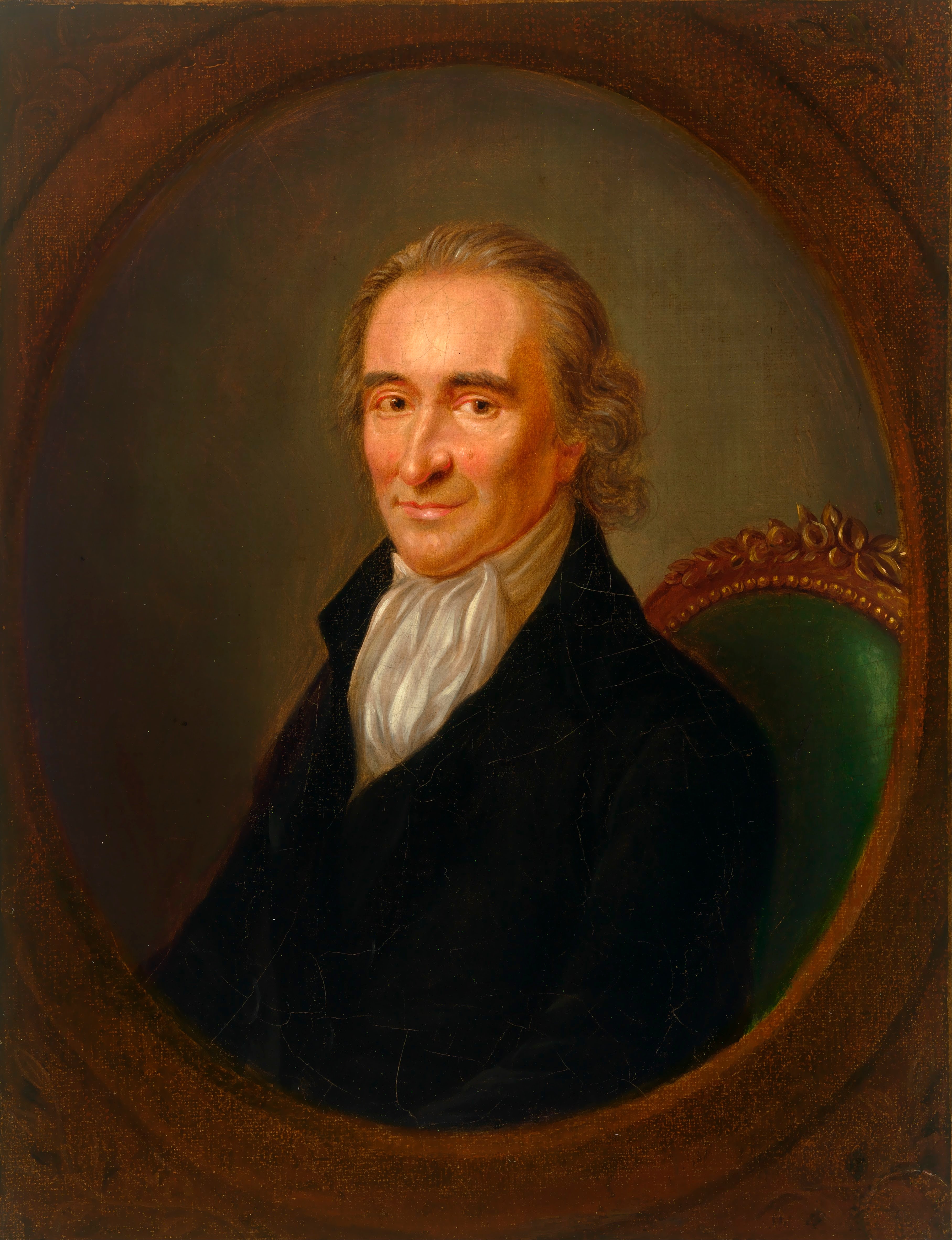
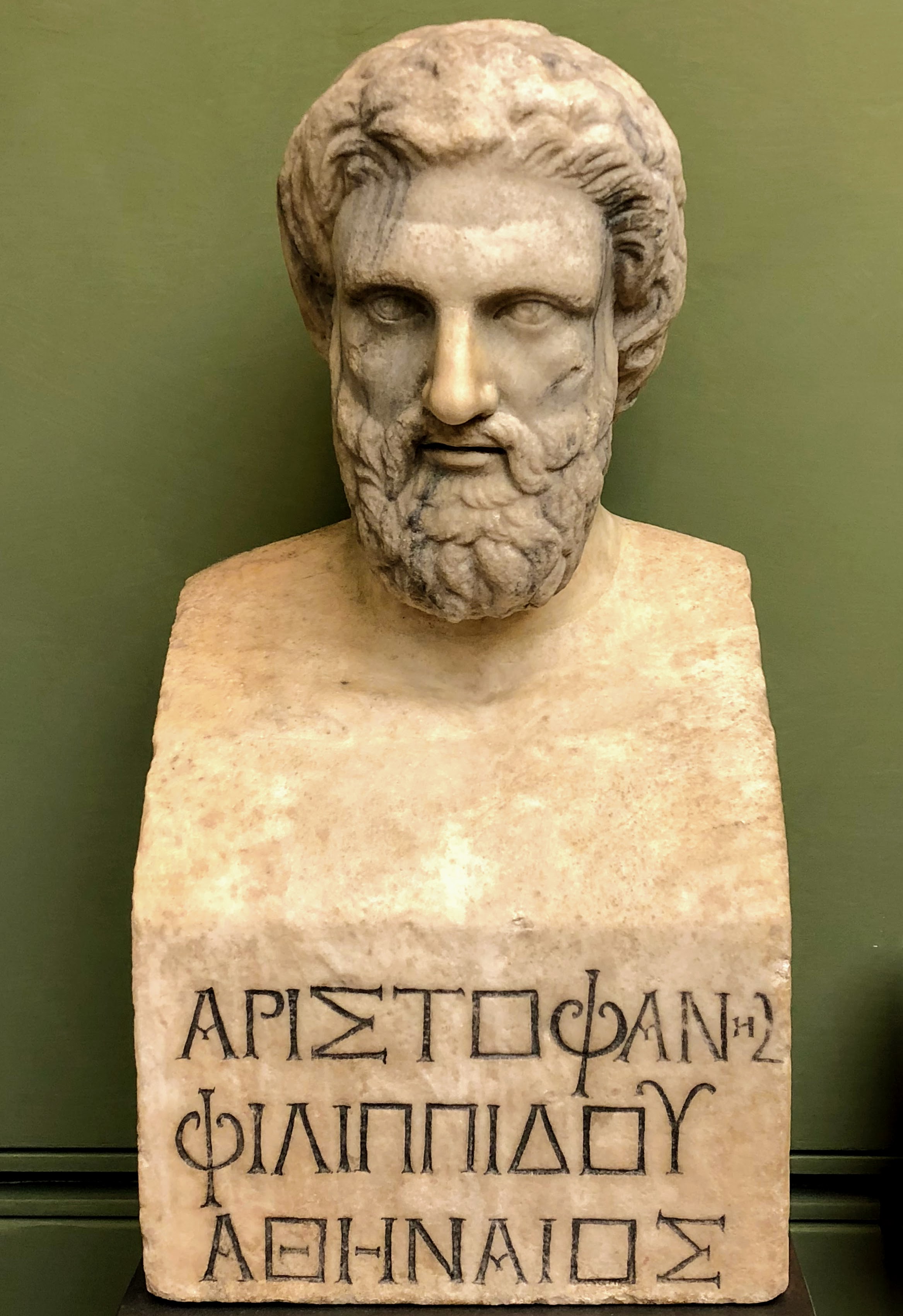
The Fires of History gives Swift the second half of Chapter 7, “Voltaire, Swift, and the Satirists”, and returns to A Modest Proposal in the chapters on the taxonomy of trolls and the troll’s paradox. The chapter’s claim is that he is the insider troll: the satire arrives from a cathedral and cannot be dismissed as the work of an outsider. The record bears it out in an unexpected place. The proclamation of 27 October 1724 is the one document in the file written by the establishment about him, and it names the pamphlet, the printer and the street and does not name the Dean (Appendix VI). Compare Voltaire, who published under his own name and moved a council by writing; Thomas Paine, who signed and was tried for it; and Aristophanes for the older line. Swift’s version of the exit is the pseudonym, and the Council’s proclamation stops at the printer.
Attested and Attributed
| Claim | Status | Source |
|---|---|---|
| He was Dean of St Patrick’s from 1713 to 1745 | Attested by the cathedral: “Jonathan Swift was also Dean of Saint Patrick’s Cathedral from 1713 until his death in 1745.” | St Patrick’s Cathedral |
| The Drapier’s Letters prevented a debased coinage | Attested in part. The cathedral says the writings “helped prevent a debased currency from being imposed”. The editor’s account: the patent was vacated on 14 August 1725 and Wood was compensated with a pension of “£3,000 per annum for twelve years”; “Walpole finally had his way” on the compensation | St Patrick’s Cathedral; Temple Scott, Prose Works, volume 6 |
| The government offered a reward for the Drapier’s identity | Attested by the text of the proclamation of 27 October 1724: “three hundred pounds sterling”, payable to whoever should “discover the author of the said pamphlet, so as he be apprehended and convicted thereby”, signed by seventeen members of the Council. Archbishop King’s letter of 24 November 1724 gives the same figure and says he and three others refused to sign | Appendix VI and the editor’s note, Prose Works, volume 6 |
| The author was known and never named | The proclamation names the pamphlet and the printer, not the author. Temple Scott: “There is no doubt that it was generally known who the author was.” Swift’s own verse: “But not a traitor could be found, / To sell him for six hundred pound.” His note: “in neither kingdom was the Dean discovered” | Prose Works, volume 6; Verses on the Death of Dr. Swift |
| A Modest Proposal is about 3,000 words | The Project Gutenberg text, title and byline included, runs to about 3,400. The page’s figure is the round number | A Modest Proposal |
| A Modest Proposal appeared in 1729 | The Gutenberg edition prints “1729” under the title and the byline “by Dr. Jonathan Swift”. Whether the first printing carried his name is not settled by this edition | A Modest Proposal |
| Gulliver’s Travels calls humanity Yahoos | The Yahoos are the fourth voyage’s figure for the human animal; the Brobdingnagian king’s verdict is a character’s, “the most pernicious race of little odious vermin”. Both are in the text | Gulliver’s Travels |
| The Bickerstaff hoax predicted Partridge’s death | Attested in the predictions (“the 29th of March next, about eleven at night, of a raging fever”) and in the sequel, where Partridge’s almanack protests he was “alive upon that very 29th of March” | Bickerstaff-Partridge Papers |
| He left money to build a hospital for the mentally ill | Attested by his verse (“To build a house for fools and mad”) and by the hospital: the will left money, the hospital gives £12,000, and “One year after his death, in 1746, St Patrick’s Hospital was founded.” | Verses; St Patrick’s Hospital, history and archives |
| He wrote his own epitaph | Attested by the cathedral: “Unusually Swift wrote the epitaph himself before he died”; it “is on the wall opposite his grave” | St Patrick’s Cathedral |
| He suffered from Meniere’s disease | The diagnosis is not in any source cited here. The symptoms are in his own verse: “That old vertigo in his head” and “Besides, his memory decays:” | Verses |
| He spent his last years unable to speak | Not among the sources cited on this page | n/a |
| He moved in Harley’s and Bolingbroke’s circle | Attested in the Journal to Stella: “I was brought privately to Mr. Harley, who received me with the greatest respect and kindness imaginable” (the entry for 4 October 1710), and, in a later entry, a dinner “with the Secretary of State, Mr. St. John” | Journal to Stella |
| Pope, Gay and Arbuthnot were his friends | Attested in his own verse: “Poor Pope will grieve a month, and Gay” and a day for Arbuthnot. The Scriblerus Club by name is not among the sources cited here | Verses |
Alliance Map
| Axis | Tie | Since | Source |
|---|---|---|---|
| Corporate | None as employer or equity in the sources cited here. The commercial ties on record are printers: John Harding of Molesworth’s Court, Fishamble Street, who printed the fourth Drapier letter and was arrested; George Faulkner, whose 1735 edition of the works is the base text the editor cites | 1724; 1735 | Appendix VI and editor’s notes, Prose Works, volume 6 |
| Ratchet | None. No modern ratchet organisation exists for an eighteenth-century subject; the prosecuting and proclaiming bodies of his era are entered under Legal | n/a | n/a |
| Movement | The Tory ministry: received privately by Harley, dined by the Secretary of State St. John; his own verse names “St. John’s skill in state affairs” and “Ormond’s valour, Oxford’s cares”, and his note records that he “endeavoured to reconcile” the quarrelling ministers and retired to the country before the Queen’s death | October 1710 to 1714 | Journal to Stella; Verses, text and note 27 |
| Movement | The literary friends: Pope, Gay and Arbuthnot, named in his verse as the three who would grieve at his death | by 1731 | Verses |
| Agency | The Church of Ireland: Dean of St Patrick’s Cathedral | 1713 to 1745 | St Patrick’s Cathedral |
| Agency | Dublin Corporation: freedom of the City, granted for the Drapier campaign | after 1724 | St Patrick’s Cathedral |
| Agency | The Lord-Lieutenant and Council of Ireland, as adversary: seventeen signatories to the proclamation; Midleton heads the list and, per the editor, “refused to give any assistance to government, until the patent was absolutely surrendered” | 1724 | Appendix VI and editor’s note, Prose Works, volume 6 |
| Agency | Archbishop King of Dublin, who refused to sign the proclamation | November 1724 | Editor’s note, Prose Works, volume 6 |
| Legal | Subject of the proclamation of 27 October 1724 offering £300 for the author of the fourth Drapier letter; printer Harding arrested and prosecuted | 1724 | Prose Works, volume 6 |
| Legal | The earlier £300 proclamation of 1713 for The Public Spirit of the Whigs, in Swift’s own note | 1713 | Verses, note 26 |
| Legal | The bequest: a will that founded a hospital | 1745 to 1746 | St Patrick’s Hospital, history and archives |
| Diaspora | None. He was an Irish-born Dean of an Irish cathedral writing about Ireland; that is residence and office, entered under Agency | n/a | n/a |
The overlap is the finding. In October 1724 Swift held a cathedral deanery, the friendships of a Tory ministry that had fallen ten years earlier, and a state proclamation against his pamphlet, all at once. The editor notes that the signatories to the proclamation “should have almost all of them signed another document” addressed to the King against Wood and the patent (Appendix VII, Prose Works, volume 6): the Council that offered £300 for the Drapier had already told the King what the Drapier was telling Ireland.
Threat Assessment
| Category | Level | Notes |
|---|---|---|
| Physical threat | NONE | Clergyman with vertigo. |
| Institutional threat | HIGH | Satire targeted the English government’s treatment of Ireland. The Drapier’s Letters (1724) successfully prevented the introduction of debased coinage — direct policy impact through anonymous publication. |
| Memetic threat | EXTREME | “A Modest Proposal” invented a satirical method (take the opponent’s logic to its extreme conclusion) that has been replicated continuously for 297 years. Every satirist who has ever said “sure, and while we’re at it…” is operating in Swift’s tradition. |
| Posthumous threat | ONGOING | Subject left money in his will to build a hospital for the mentally ill. The inscription he wrote for his own tomb: “He has gone where fierce indignation can lacerate his heart no more.” Even the epitaph is a final attack on the world that required his anger. |
Deception Analysis
Primary deception modality: SUSTAINED IRONIC PERSONA. Subject presents proposals that are simultaneously absurd and logically consistent, requiring the audience to perform the work of determining where the irony begins. The audience’s uncertainty is the weapon. Those who realize it’s satire are changed by the recognition. Those who don’t — and there are always some who don’t — prove the point.
Authenticity assessment: INVERTED. The surface is false (the calm proposer of eating children). The depth is true (a man enraged by the systematic exploitation of a people). The satire is the only honest way to express the rage — earnest protest had been tried for decades and ignored. The fake proposal accomplished what the real petitions could not: it made England look at what it was doing.
Flame Warrior Classification
Primary: Philosopher / Impostor Secondary: None needed. The combination is complete. Notes: ATK 10, DEF 6, HP 5. ATK 10 because A Modest Proposal is the most devastating single document in the English satirical tradition and the technique it pioneered is still in active deployment. DEF 6 because the anonymity/pseudonymity provided some cover but Swift was widely identified as the author of most of his works. HP 5 because the physical decline was real and cruel. The mind that wrote the sharpest satire in the language spent its last years unable to speak.
The receipts behind each number. ATK 10: the Lord-Lieutenant and Council of Ireland offered “three hundred pounds sterling” for the author of one pamphlet and the patent for Wood’s coinage was vacated on 14 August 1725 (Appendix VI and the editor’s account, Prose Works, volume 6); the cathedral credits the writings with helping “prevent a debased currency from being imposed” (St Patrick’s Cathedral). It does not need the text of A Modest Proposal to hold, but the text is there: “Therefore let no man talk to me of other expedients” (A Modest Proposal). The limit on it is the editor’s own: Wood was paid off with a pension. It is the maximum because a government priced a pamphleteer at £300 and the patent was vacated. DEF 6: the proclamation names the pamphlet and the printer and does not name the author, the printer was arrested, and the author’s own verse says “not a traitor could be found” (Verses). It is not higher because the shield was a pseudonym that everyone saw through, and not lower because he held the deanery throughout and Archbishop King and three others refused to sign. HP 5: the vertigo and the failing memory are in his own verse (Verses), and the hospital was founded “One year after his death, in 1746” (St Patrick’s Hospital). It is not lower because a hospital and a body of work outlived him, and not higher because the body failed first.
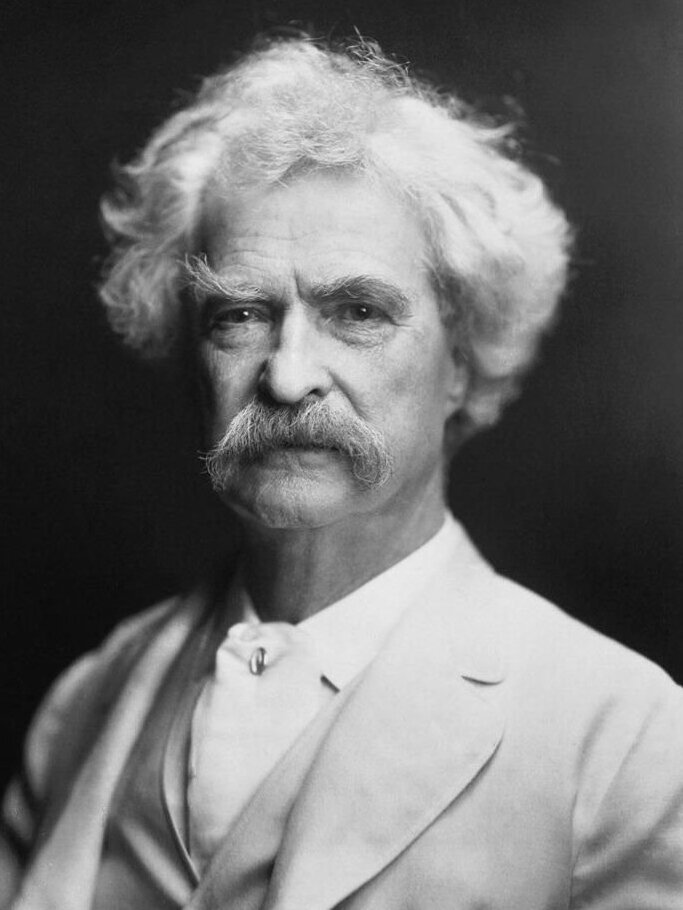
Against peers on the same values: Thomas Paine holds 10 / 4 / 4 at 81.5, level on ATK, two points under on DEF and one under on HP, because Paine signed and was tried in his absence while Swift’s name was never in the proclamation. Aristophanes holds 10 / 7 / 6 at 81.5, one over on DEF and one over on HP, because the poet kept his stage and his city. Voltaire holds 10 / 7 / 8 at 89.0, one over on DEF and three over on HP: his exits were a king’s key and a Swiss estate, and Swift’s were a deanery and a pseudonym. Mark Twain holds 9 / 6 / 6 at 74.2, level on DEF and one point under on ATK. The values hold.
Sources: Wikipedia; Encyclopaedia Britannica; A Modest Proposal (Project Gutenberg); Gulliver’s Travels (Project Gutenberg); A Tale of a Tub (Project Gutenberg); The Bickerstaff-Partridge Papers (Project Gutenberg); The Prose Works of Jonathan Swift, volume 6, the Drapier’s Letters and the proclamation (Project Gutenberg); The Poems of Jonathan Swift, volume 1, Verses on the Death of Dr. Swift (Project Gutenberg); Journal to Stella (Project Gutenberg); St Patrick’s Cathedral, Jonathan Swift, Dean 1713-1745; St Patrick’s Hospital, history and archives.
Cross-Referenced Dossiers


Prefer RSS? Subscribe here.